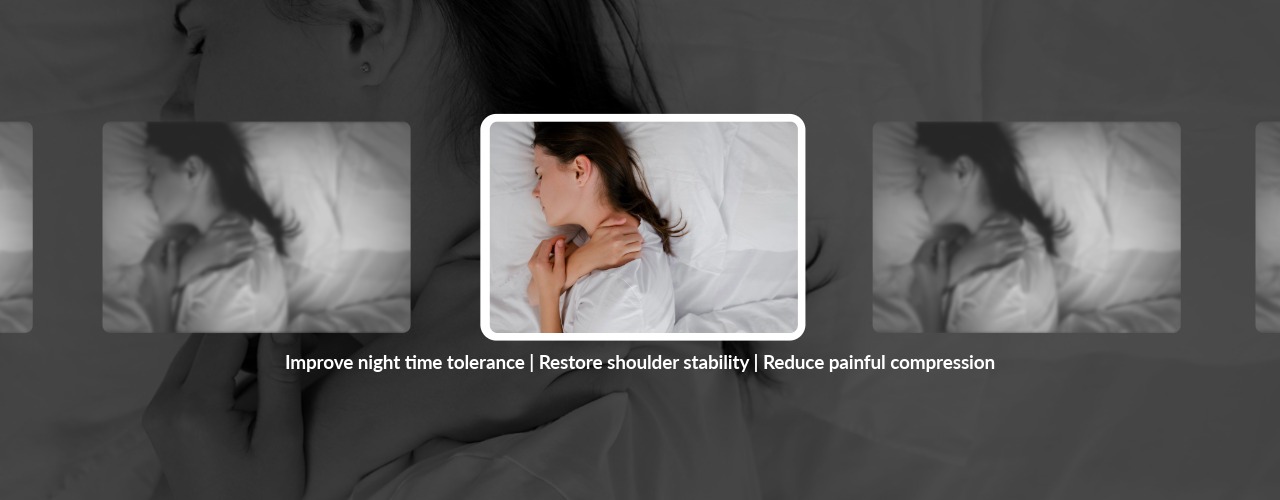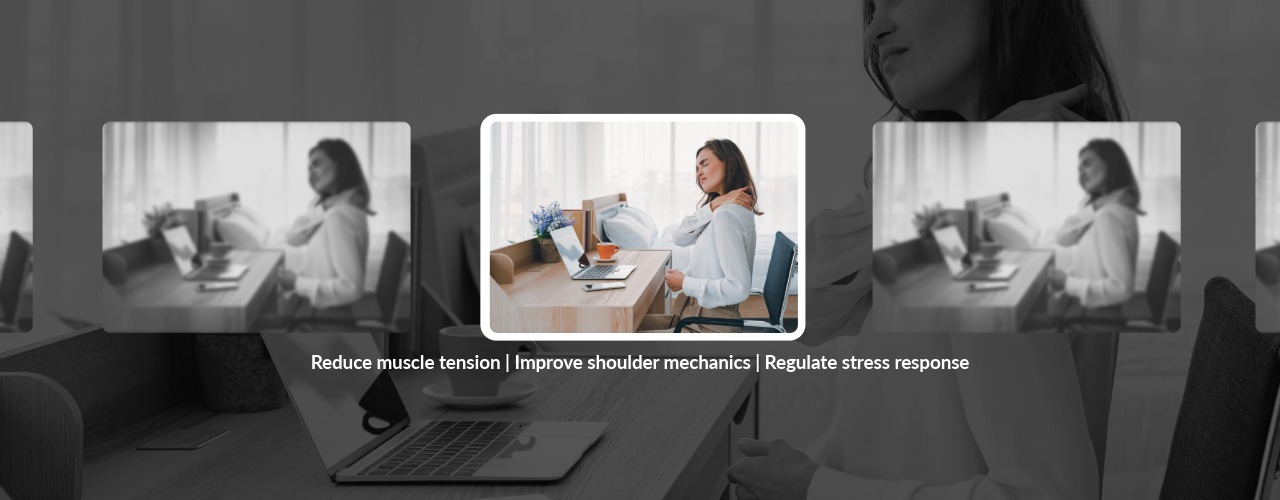
Have you ever experienced a dull ache in the upper back or a tightening across the shoulders after a difficult day? You may be surprised to learn that shoulder pain and stress can be closely connected. While physical strain is a common cause of discomfort, emotional and mental stress can influence how the body feels and functions. Understanding this relationship allows the National Physical Therapy team to take a more complete approach to recovery and prevention.
How the Body Physically Responds to Stress
Stress is not just a mental experience. I can also create real physical changes in the body. When stress levels rise, the nervous system shifts into a heightened state of alertness, leading to:
- Increased muscle tension, especially in the neck and shoulders
- Shallow breathing patterns that reduce oxygen flow to muscles
- Reduced circulation, which can delay tissue recovery
- Heightened sensitivity to pain signals
Over time, these changes can contribute to discomfort and stiffness that feels very similar to a musculoskeletal injury, particularly in the shoulders. Many people unconsciously elevate or tighten their shoulders during stressful situations, which can cause:
- Persistent muscle guarding in the upper trapezius
- Trigger points that refer pain into the neck or arms
- Reduced range of motion with overhead activities
When you’re dealing with long-term stress, these patterns can become habitual, reinforcing discomfort even when the original stressor has passed.
Shoulder Pain and Stress: Understanding the Overlap
However, it is important to recognize that shoulder pain and stress are interconnected, not interchangeable. Pain in the shoulder can stem from multiple sources, including joint irritation, tendon involvement, or movement limitations. Stress alone doesn’t typically cause structural damage, but it does amplify or prolong existing issues.
For example:
- A mild strain may feel more intense under stress
- Recovery may slow due to ongoing muscle tension
- Pain may persist even after tissue healing has occurred
A thorough evaluation helps identify whether stress is playing a supporting role in your symptoms. Addressing both physical and behavioral contributors often leads to better outcomes.
Signs Your Shoulder Pain May Be Stress-Influenced
Certain patterns suggest that stress could be contributing to your discomfort, such as:
- Pain that worsens during busy or emotionally demanding periods
- Tension headaches alongside shoulder discomfort
- Temporary relief with relaxation techniques
- No clear injury or sudden onset event
The Importance of A Whole-Person Treatment Approach
Managing shoulder pain and stress effectively often requires a blend of strategies that address both body and mind. At National Physical Therapy, care is designed around the understanding that pain is rarely caused by a single factor. Our team takes time to assess movement, posture, and lifestyle influences, including stress.
We then work to address both physical and psychological factors through treatments such as:
- Manual therapy to reduce muscle tension and improve mobility
- Targeted exercises to restore proper shoulder mechanics
- Postural education for daily activities and work habits
- Breathing and relaxation techniques to regulate the nervous system
- Education to improve body awareness and stress management
- Progress tracking to ensure meaningful, lasting improvement
Our patient-centered approach helps ensure that both symptoms and contributing factors are addressed.
Keep Calm and Carry On (Without Shoulder Pain)
If you’ve been experiencing ongoing discomfort, it may be worth considering how shoulder pain and stress interact in your daily life. Addressing both physical and emotional contributors can open the door to more effective and lasting relief.
And fortunately, you don’t have to navigate this alone. Exploring personalized care through National Physical Therapy can help you better understand your symptoms, restore movement, and build strategies to feel more comfortable and confident in your body.