
Dry Needling Therapy for Muscle Pain and Movement Limitations
If you are looking for proven dry needling in MA, you may be dealing with muscle tightness, persistent soreness, or movement restrictions that interfere with daily activities. Dry needling is a technique used by physical therapists to address sensitive muscle areas known as trigger points. At National Physical Therapy, our results-driven physical therapist may include dry needling as part of a rehabilitation plan designed to improve mobility, reduce muscle tension, and support comfortable movement during work, exercise, and everyday life.
Many patients consider dry needling when they experience tight muscles that do not respond fully to stretching, massage, or rest. Dry needling is typically combined with exercise and movement training so patients can build strength and improve long term function.

Calibrating Neuromuscular Tension for Peak Muscle Length
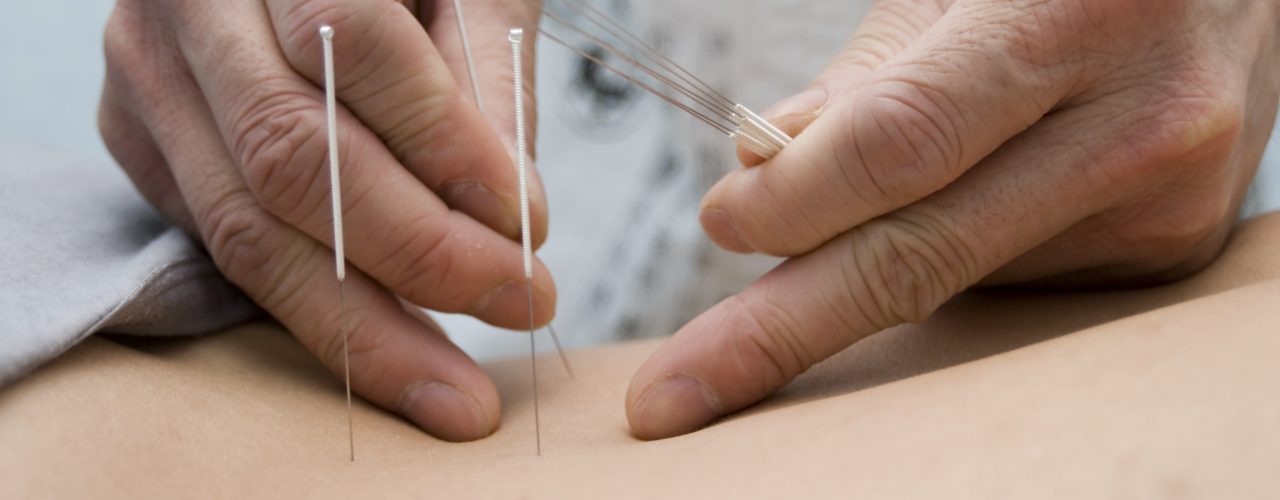
Dry needling is a treatment technique that uses thin, sterile needles inserted into specific muscle areas. These areas are often referred to as trigger points, which are tight or irritated sections of muscle that can contribute to pain, stiffness, or restricted movement.
The goal of dry needling is to help the muscle relax and restore more normal movement. When a needle is inserted into a trigger point, the muscle may briefly contract and then relax. This response may help reduce tension and improve circulation within the muscle. Patients often ask about dry needling because they want to move more comfortably, improve range of motion, and return to activities that have become difficult due to muscle tightness. Our compassionate team focuses on understanding how symptoms affect your routine and building a structured plan to address those challenges during real world tasks.
Why Proactive Intramuscular Stimulation Overcomes Chronic Guarding
Muscle tension and trigger points can affect movement patterns and create discomfort during daily activities. Dry needling may be recommended when a physical therapist identifies specific muscle areas contributing to pain or limited mobility. Our friendly, supportive early evaluation allows our physical therapist to isolate target tissues before poor tracking patterns translate into secondary joint restrictions.
Patients may benefit from dry needling when they experience:
- Muscle tightness that limits joint movement
- Persistent soreness after activity
- Neck or shoulder tension during desk work
- Stiffness that interferes with stretching or exercise
- Trigger points causing localized discomfort
- Difficulty returning to normal activity after muscle strain
Dry needling may help reduce muscle tension so that strengthening and mobility exercises can be more effective.
Identifying Key Targets of Deep Tissue Tightness and Myofascial Pain
Spinal and extremity muscle groups present with specific dysfunction patterns depending on your training volume or workspace habits. Patients frequently present with:
- Neck and shoulder tension related to posture
- Lower back muscle tightness affecting movement
- Hip muscle stiffness during walking or running
- Persistent calf tightness during athletic activity
- Shoulder muscle restrictions limiting overhead motion
- Headaches linked to neck muscle tension
- Muscle strain recovery in active individuals
- Repetitive strain from occupational tasks
Each treatment plan is individualized and based on findings from your experienced physical therapist’s evaluation.
A Step-by-Step Blueprint for Neuromuscular Deactivation
Care at National Physical Therapy begins with a detailed evaluation of movement patterns, muscle flexibility, strength, and symptom history. Our licensed physical therapist works with you to identify specific, personalized, measurable goals such as improving range of motion, reducing discomfort during activity, or returning to exercise.
Dry needling may be included when trigger points or muscle tension appear to be contributing to symptoms. Treatment typically follows a structured rehabilitation process that includes evaluation, goal setting, treatment progression, reassessment, and a home program.
Approaches used when incorporating dry needling may include:
- Targeted trigger point dry needling to address tight muscle areas
- Muscle relaxation techniques following needle insertion
- Combined stretching after treatment to improve flexibility
- Movement exercises that reinforce improved mobility
- Strengthening exercises to support long term muscle control
- Postural training to reduce repeated muscle strain
Dry needling works best as part of a comprehensive plan that includes exercise, movement training, and education. The specific techniques used depend on the results of your evaluation.
National Physical Therapy’s Patient-Centered Therapeutic Alliance
Patients receiving dry needling at National Physical Therapy are guided through a care plan that prioritizes safety, communication, and functional improvement. Our friendly physical therapist explains each step of treatment so patients understand how therapy supports their recovery.
Our clinic emphasizes:
- Individualized treatment planning
- Clear explanation of treatment techniques
- Functional goals based on daily activities
- Regular reassessment of progress
- Education that supports self management
This approach helps patients improve mobility while building strength and movement confidence.
Your First Visit and Strategic Myofascial Mapping
During your first appointment, our trusted physical therapist performs a comprehensive assessment that includes movement analysis, muscle testing, and discussion of your symptoms and goals.
If dry needling is appropriate, thin sterile needles are inserted into specific muscle areas identified during the evaluation. Many patients feel a brief twitch or mild muscle sensation during treatment. Sessions are generally short and may be combined with stretching, strengthening exercises, or manual therapy.
After treatment, patients may notice mild soreness similar to the feeling after exercise. Your therapist will provide guidance on activity levels and home exercises to reinforce improvements. Dry needling is designed to support improved muscle mobility so that patients can move more comfortably during everyday tasks and physical activity.
Explore Treatment Options That Support Better Movement
Muscle tightness and trigger points can limit comfort and movement during daily activities. Dry needling may be one part of a physical therapy program designed to address these concerns. Contact National Physical Therapy today to schedule an assessment and learn more about dry needling in MA. Our dedicated team is ready to answer your questions and guide your next steps with clarity and care.
FAQs
Is targeted dry needling the same as traditional acupuncture?
Does clinical dry needling cause significant pain?
How quickly do patients notice changes after deep tissue dry needling?
Related Blogs
-

Benefits of Physical Therapy for Sports Rehabilitation
Whether you’re a seasoned athlete or someone who enjoys weekend games, recovering from a sports injury can feel like…
-

Understanding and Recovering from an ACL Tear
For Jake (not his real name), a competitive soccer player, the day he tore his ACL was one he…
-

Physical Therapy Tips for Preventing Knee Injuries
Knee injuries are a common concern for people of all ages and activity levels. Whether you’re a weekend warrior…