

Steady, Confident Movement Starts Here
Difficulty with balance or walking can make everyday activities feel uncertain. You may hesitate on stairs, avoid uneven ground, or feel unsteady when turning quickly. If you are looking for proven help with balance and gait disorders in MA, you likely want to feel steady on your feet and walk with confidence again. At National Physical Therapy, our results-driven physical therapist provides structured care for balance and gait disorders with a focus on improving stability, coordination, and safe movement in daily life.
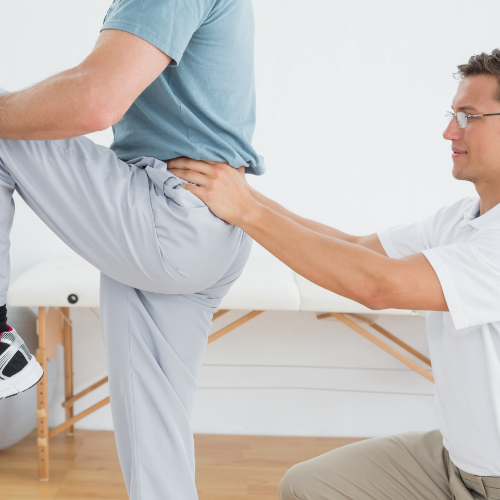
Optimizing Dynamic Control for Unrestricted Mobility
Balance and gait refer to how you maintain stability and how you walk. When these systems are not working well together, you may feel unsteady or notice changes in your walking pattern. Some people describe shuffling steps, slower walking speed, or difficulty navigating tight spaces.
Patients living with balance and gait disorders often want to regain independence. You may want to walk through a grocery store without holding onto a cart, move confidently in your home, or return to community activities. Our compassionate team focuses on identifying the underlying causes of instability and guiding safe improvement during real world tasks.
Why Proactive Stabilization Prevents Compensatory Fall Risks
Changes in balance and walking can increase the risk of falls and reduce overall activity levels. When movement feels uncertain, people may limit activity, which can lead to decreased strength and endurance. Our friendly, supportive early evaluation allows our physical therapist to assess contributing factors and create a targeted plan.
Common causes of balance and gait disorders include:
- Muscle weakness in the legs or core
- Joint stiffness in the hips, knees, or ankles
- Inner ear dysfunction
- Neurological conditions
- Sensory changes in the feet
- Recovery after surgery or illness
Many of these factors respond well to guided therapy. A structured approach to managing balance and gait disorders can support improved safety and confidence during movement.
Identifying Key Biomarkers of Postural Instability
Symptoms of balance and gait disorders can vary. Patients frequently report:
- Feeling unsteady while walking
- Difficulty turning or changing direction
- Slower walking speed
- Trouble standing on one leg
- Frequent tripping
- Fear of falling
- Needing support on stairs
- Fatigue with short walks
Our experienced physical therapist evaluates these concerns and explains how strength, coordination, and sensory input affect stability.
A Step-by-Step Blueprint for Advanced Gait Retraining
Care at National Physical Therapy begins with a detailed evaluation. Our licensed physical therapist reviews your medical history, observes how you walk, and measures strength, range of motion, and balance. Together, you will identify clear, personalized, measurable goals such as walking longer distances, navigating stairs safely, or improving confidence outdoors.
The plan of care progresses in stages. Early sessions may focus on foundational strength and basic balance exercises. As control improves, the program advances to more dynamic activities that challenge coordination. A home exercise program reinforces gains between visits. Our physical therapist reassesses progress regularly and modifies exercises as needed.
Patients who pursue care for balance and gait disorders benefit from a progression model that builds stability in real world situations.
Common physical therapy strategies include:
- Strength training for the legs and core, which improves support during walking
- Balance exercises on varied surfaces, which enhance stability
- Gait training, which corrects inefficient walking patterns
- Step and stair training, which increases safety during daily tasks
- Coordination drills, which improve movement control
- Endurance training, which supports longer activity tolerance
Each component focuses on helping you move safely and confidently in daily life.
The National Physical Therapy Integrated Coordination System
At National Physical Therapy we help patients manage balance and gait disorders through individualized attention and clear communication. Our friendly physical therapist explains findings in plain language and collaborates with you to create a realistic plan. We track progress using objective measures so you can see improvements in strength and stability over time.
Our clinic emphasizes:
- Individualized treatment planning
- Evidence informed decision making
- Respectful and supportive communication
- Consistent reassessment
- Focus on long term independence
We work alongside you to restore steady movement and confidence.
Your First Visit and Strategic Equilibrium Assessment
Your first visit will include a comprehensive evaluation of your walking pattern, balance, and strength. Our trusted physical therapist will ask about daily challenges and specific goals. Together, you will outline a structured plan that fits your needs.
Follow up sessions include guided exercises, walking practice, and progressive balance challenges. Visit frequency depends on your condition and response to care. Our physical therapist adjusts your program as stability and endurance improve.
This organized, patient centered approach supports consistent improvement for balance and gait disorders while keeping care focused on meaningful daily function.
Regain Confidence in Every Step
Unsteady movement can limit independence and reduce activity levels. A thorough evaluation and progressive training plan can support improved balance and walking ability. Contact National Physical Therapy today to schedule an assessment and learn more about treatment for balance and gait disorders in MA. Our dedicated team is ready to answer your questions and help you move forward with confidence.
FAQs
Can clinical balance training reduce my risk of falling?
How long does specialized gait retraining usually take?
Do I need a prescription or referral to start therapy for balance concerns?
Related Blogs
-
Understanding Balance Issues After a Stroke
When an active adult experiences a sudden change in health, the road back to a normal routine can feel…
-

Dealing with Balance Issues After Surgery: What to Expect
Recovering from surgery often comes with unexpected challenges, and for Tom (not his real name), balance issues after surgery…
-

What Causes Gait Disorders in Adults?
Walking is a fundamental part of daily life, yet it’s something many of us take for granted—until it becomes…