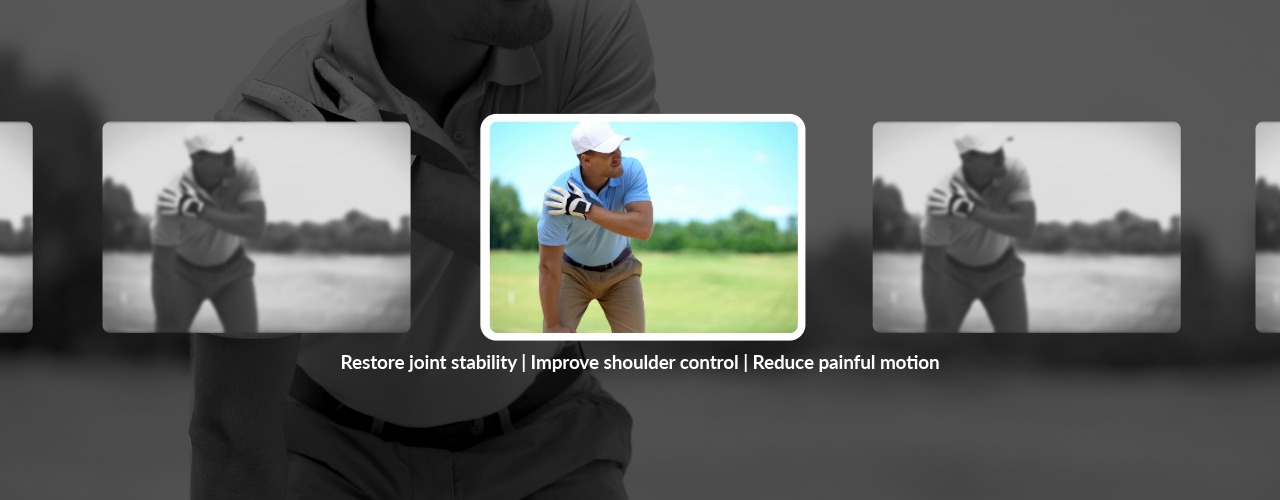
Experiencing a shoulder dislocation can be unsettling, especially if it is your first time dealing with this type of injury. Along with the initial event, shoulder dislocation pain can continue to affect how your arm feels and moves during everyday activities. Understanding what to expect during recovery can help you move forward with more clarity and confidence.
At National Physical Therapy, we guide patients through each stage of recovery with a personalized approach that focuses on restoring movement, improving function, and helping you return to what matters most.
Understanding Shoulder Dislocation Pain and Recovery
After a shoulder dislocation, it is common to experience a combination of soreness, stiffness, and a sense that the joint feels different from how it did before. Shoulder dislocation pain may be noticeable with certain movements, positions, or activities, especially in the early stages.
You might notice:
- Reduced ease with reaching, lifting, or carrying
- A feeling of tightness or guarding around the shoulder
- Temporary changes in strength or control
- Increased awareness of the shoulder during daily tasks
These changes are a normal part of the recovery process. Over time, many people see improvement as the shoulder adapts and regains function.
Five Steps to Rehabilitating a Shoulder Dislocation
Step 1: Support Early Recovery Without Over-Restricting Movement
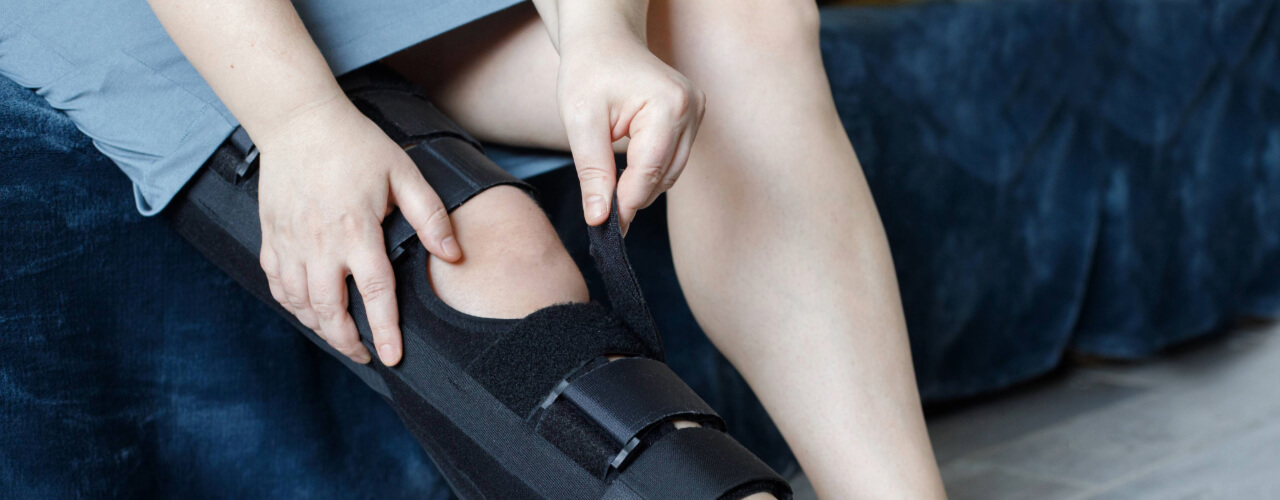
In the early phase, the goal is to allow the shoulder to settle while still maintaining a comfortable level of movement. Some individuals may temporarily use a sling or modify how they perform daily tasks.
Rather than completely avoiding movement, the focus is on finding a balance. Gentle, comfortable use of the arm can help prevent excessive stiffness while respecting the healing process. Small adjustments to how you move throughout the day can make a meaningful difference.
Step 2: Gradually Reintroduce Movement
As symptoms begin to ease, the next step is to reintroduce movement in a gradual and controlled way. This phase is less about pushing through discomfort and more about exploring what movements feel manageable.
You may begin to notice that certain positions feel better than others. This is an important part of the process. Learning how your shoulder responds helps guide the next steps and builds confidence over time.
Consistency tends to matter more than intensity at this stage. Regular, comfortable movement supports progress without overwhelming the joint.
Step 3: Restore Strength and Stability
After a dislocation, the shoulder often benefits from improved muscular support. Strength and stability play an important role in helping the joint feel more secure during everyday activities.
This phase focuses on gradually rebuilding your ability to control movement. Rather than isolating one area, the approach often includes the shoulder, upper back, and surrounding muscles working together.
As strength improves, many people notice that shoulder dislocation pain becomes less limiting and daily tasks begin to feel more natural again.
Step 4: Improve Coordination and Confidence
Beyond strength, your shoulder also needs to relearn how to move efficiently during more dynamic or unpredictable activities. This includes coordination, timing, and overall control.
During this stage, the focus shifts toward:
- Improving how the shoulder responds to different demands
- Building confidence with movements that may have previously felt uncertain
- Gradually returning to more complex or higher-level activities
This is often where people begin to feel a meaningful shift, not just physically, but in their overall confidence using their arm.
Step 5: Return to Daily Activities and Beyond
Returning to your usual routine happens over time and looks different for everyone. Whether your goal is to get back to work tasks, recreational activity, or sports, progression is based on how your shoulder responds.
Shoulder dislocation pain typically becomes less noticeable as strength, mobility, and coordination improve. The goal is not just to feel better, but to feel capable and prepared for the demands of your daily life.
How Physical Therapy Supports Each Step
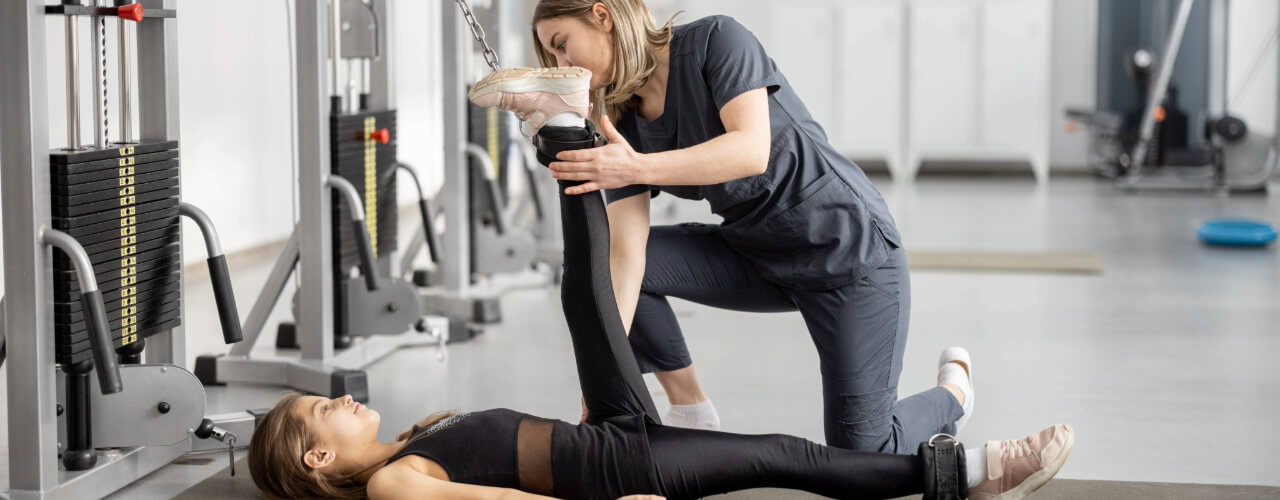
At National Physical Therapy, physical therapy is designed to meet you where you are and adapt as you progress. Your care begins with a detailed evaluation to understand your symptoms, movement patterns, and goals.
From there, your plan may include:
- Guided progression through each stage of recovery
- Hands-on support to improve comfort and mobility
- Movement strategies tailored to your daily life
- Ongoing adjustments based on how your shoulder responds
This individualized approach helps ensure that your care stays aligned with your needs, rather than following a one-size-fits-all plan.
Moving Forward with the Right Support
Recovering from a shoulder dislocation takes time, but it also provides an opportunity to rebuild strength, improve movement, and return to your activities with greater confidence.
If you are experiencing shoulder dislocation pain, having a clear and personalized plan can make the process feel more manageable. At National Physical Therapy, we are here to support you with thoughtful, individualized care designed to help you move forward and get back to what matters most.