
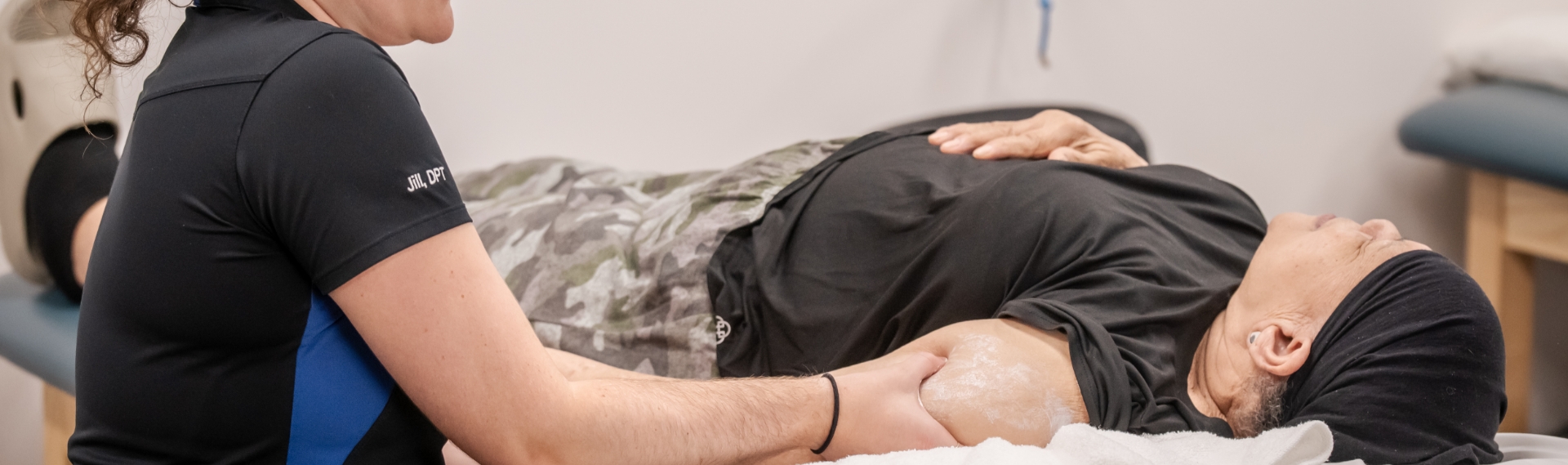
Hands-On Manual Therapy to Improve Movement at National Physical Therapy
If you are searching for proven manual therapy in MA, you may be dealing with stiffness, muscle tension, or joint discomfort that limits daily movement. Manual therapy is a group of hands-on treatment techniques used by physical therapists to improve mobility, reduce soft tissue restrictions, and support comfortable movement. At National Physical Therapy, our results-driven physical therapist may include manual therapy as part of a personalized rehabilitation program focused on restoring movement, improving function, and helping patients return to everyday activities.
Many people ask about manual therapy when they feel restricted during walking, reaching, lifting, or exercise. Manual therapy is commonly combined with strengthening exercises, movement training, and education so patients can build lasting improvements in mobility and function.
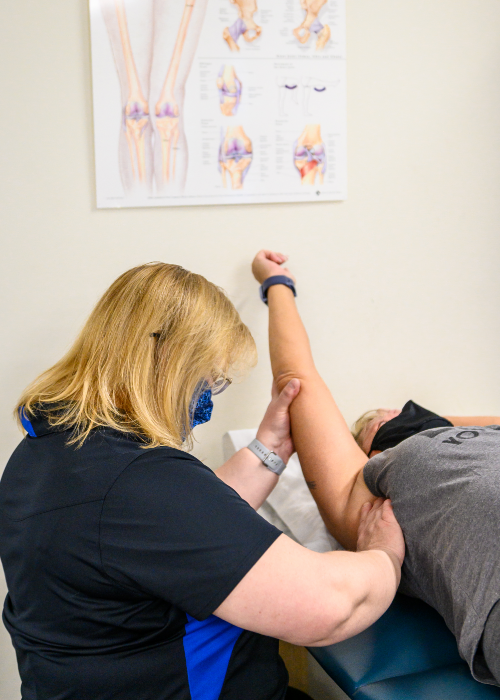
Calibrating Articular Mechanics for Optimal Kinetic Flow
Manual therapy refers to hands-on techniques used by a physical therapist to address joint stiffness, muscle tension, and soft tissue restrictions. These techniques are applied using controlled movements or gentle pressure to support improved mobility and comfort.
Patients often seek manual therapy because they want to move more easily and return to normal activities without stiffness or discomfort. Manual therapy may help joints move more freely and allow muscles to relax so that strengthening and movement exercises can be more effective. In a rehabilitation setting, manual therapy is not intended to replace exercise. Instead, it prepares the body for active movement so patients can improve strength, coordination, and long term mobility. Our compassionate team focuses on identifying the exact mechanical blocks in your system and using precise manual inputs to restore your movement confidence during real world tasks.
Why Immediate Manual Unloading Overcomes Chronic Tissue Guarding
Movement limitations can develop when joints become stiff or when surrounding muscles tighten in response to stress or injury. Manual therapy may be considered when these restrictions affect normal activity. Our friendly, supportive early evaluation allows our physical therapist to intervene mechanically, reversing protective neural guarding responses before restricted joint tracks lead to localized muscle wasting.
Patients may benefit from manual therapy when they experience:
- Joint stiffness during movement
- Muscle tension that limits movement
- Reduced mobility after injury
- Difficulty reaching, bending, or turning
- Discomfort during exercise or activity
- Limited movement after periods of inactivity
Manual therapy may help improve mobility so patients can participate more comfortably in strengthening and rehabilitation exercises.
Identifying Key Triggers of Articular Fixation and Soft Tissue Friction
Mechanical restrictions present with specific structural tethers, joint catches, or dynamic drag during your athletic routines. Patients frequently report:
- Neck stiffness affecting head movement
- Shoulder tightness limiting overhead activity
- Lower back stiffness during bending or lifting
- Hip mobility limitations during walking
- Knee stiffness after injury or surgery
- Ankle mobility restrictions during activity
- Muscle tightness related to posture
- Recovery from sports related movement limitations
Each treatment strategy is individualized according to findings from your experienced physical therapist’s evaluation and unique performance goals.
A Step-by-Step Blueprint for Mobilization and Neuromuscular Integration
Care at National Physical Therapy begins with a comprehensive evaluation of movement patterns, joint mobility, strength, and functional goals. Our licensed physical therapist works with you to identify the specific factors contributing to discomfort or restricted movement. Together, you will establish clear, personalized, measurable goals that match your work, family, and training demands.
Manual therapy follows a highly organized, progressive sequence designed to restore functional capacity safely:
- Joint Mobilization: Small, calculated passive glides applied directly to joint structures to break down deep articular stiffness.
- Targeted Soft Tissue Mobilization: Specialized deep-pressure techniques to reduce muscle guarding and fascial binding.
- Stretch-Assisted Tracks: Concentrated manual stretches to safely advance overall tissue flexibility.
- Myofascial Release Techniques: Hands-on sustained pressure loops to restore glide across restricted fascial planes.
- Passive Range-of-Motion Priming: Therapist-guided movement pathways to re-educate stiff joints without muscle strain.
- Combined Manual and Active Drills: Immediate execution of active exercises right after manual work to lock in your newly restored range of motion.
Manual therapy works best as part of a comprehensive plan that includes exercise, movement training, and education.
The National Physical Therapy Clinical Hands-On Alliance
Patients who choose National Physical Therapy for manual therapy can expect attentive listening, clear guidance, and a highly synchronized team approach. Our friendly physical therapist breaks down your mechanical testing data in plain language and involves you completely in every phase of your recovery mapping.
Our clinic emphasizes:
- Individualized rehabilitation planning
- Clear communication about treatment strategies
- Shared decision making between therapist and patient
- Functional goals related to daily activities
- Ongoing progress monitoring
Your First Visit and Strategic Articular Profiling
Your first visit includes a detailed assessment of symptoms, movement limitations, and activity goals. Our trusted physical therapist evaluates joint mobility, muscle flexibility, posture, and strength to determine which manual strategies will best unlock your performance potential.
During treatment sessions, manual therapy techniques are applied to specific areas of stiffness or tension. These techniques are paired with immediate core or extremity exercises that reinforce your improved mobility and strengthen supporting muscle groups. Patients also receive guidance on home exercises and movement strategies that support progress between visits.
Explore Treatment Options That Support Better Movement
Stiffness and movement limitations can make everyday tasks more challenging. Manual therapy may help improve joint mobility and reduce muscle tension as part of a personalized rehabilitation plan. Contact National Physical Therapy today to schedule an assessment and learn more about manual therapy options in MA. Our dedicated team is ready to answer your questions and guide your next steps with clarity and care.
FAQs
Is targeted manual therapy the same as traditional sports massage?
Does manual joint mobilization replace active physical therapy exercises?
Will manual therapy adjustments feel uncomfortable or painful?
Related Blogs
-
Understanding Inflammation’s Role in Knee Pain
Knee pain is one of the most common complaints, whether from an injury, arthritis, or repetitive stress. Often at…
-

How Prolonged Sitting Can Cause Knee Pain
For many people, sitting has become an unavoidable part of daily life—whether it’s at work, in the car, or…
-

Stroke without Pain: Knee Injury Physical Therapy Exercises for Swimmers
If you’re a swimmer dealing with knee injuries, you’re not alone. Knee injuries among swimmers are quite common due…