Feeling off balance can change how you move, think, and even how confident you feel during everyday activities. If you have ever experienced dizziness, unsteadiness, or a spinning sensation, you are not alone. Many people benefit from vestibular rehabilitation exercises as part of a guided, evidence-based approach to restoring balance and function.
A Closer Look at Vestibular Dysfunction and Daily Impact
The vestibular system is located in the inner ear and works closely with your eyes and muscles to maintain balance and spatial awareness. It helps your brain understand where your body is in space and how to adjust when you move.
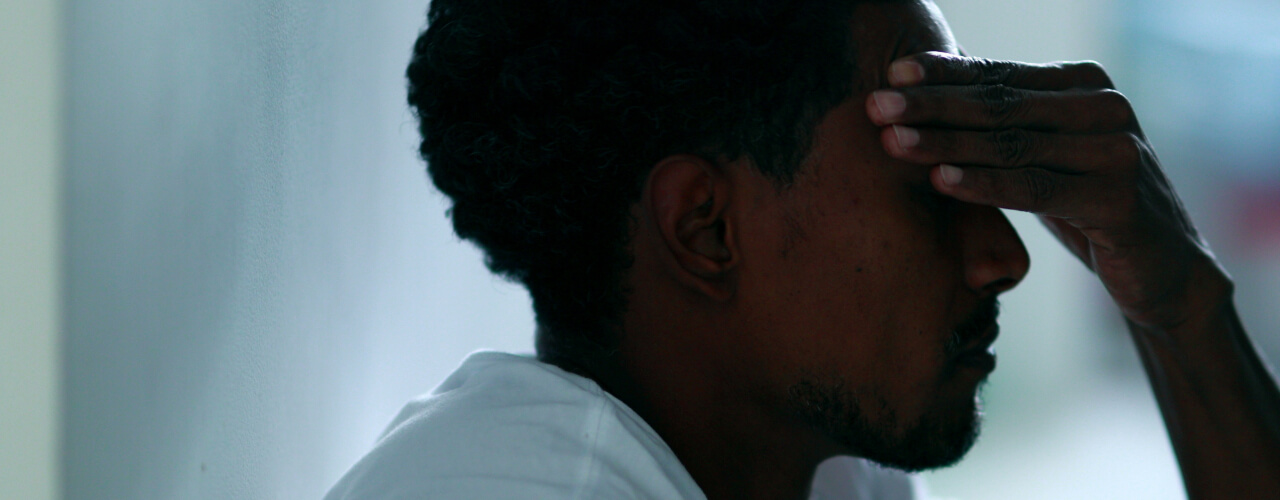
Vestibular dysfunction occurs when the vestibular system is not functioning properly. This can happen due to inner ear disorders, concussion, aging-related changes, or other medical conditions. When signals between the inner ear and the brain are disrupted, symptoms can include dizziness, vertigo, blurred vision, and difficulty maintaining balance.
These symptoms often affect more than just physical movement. Many individuals report challenges with reading, focusing, walking in busy environments, or turning their head quickly. Over time, this can lead to reduced activity levels, increased fall risk, and decreased confidence in daily life. For example, dizziness and vertigo can interfere with walking, driving, and daily routines, while balance issues may increase fall risk, especially in older adults.
Understanding what is happening in your body is the first step toward feeling steady again.
How Vestibular Rehabilitation Exercises Support Recovery
Vestibular rehabilitation is designed to retrain the brain and body to work together more effectively. These exercises use repetition and controlled movement exposure to improve how the brain processes balance signals. As a result, they:
- Promote adaptation, helping the brain adjust to changes in the inner ear
- Improve gaze stability, allowing clearer vision during movement
- Enhance balance strategies, reducing fall risk
- Gradually decrease sensitivity to motion that triggers symptoms
When performed consistently and progressed appropriately, vestibular rehabilitation exercises can significantly improve both function and quality of life.
Types of Vestibular Rehabilitation Exercises We Offer at National Physical Therapy
1. Gaze Stabilization Training
- These exercises focus on improving the connection between your eyes and inner ear. Patients are guided to maintain visual focus while moving their heads in a controlled manner. This helps reduce symptoms like blurred vision or dizziness during daily tasks such as walking or turning.
2. Balance Retraining Activities
- Balance-focused work challenges your stability in safe, progressive ways. This may involve standing on different surfaces or shifting weight in controlled patterns. Over time, these activities help your body respond more effectively to changes in position and environment.
3. Habituation-Based Movement Strategies
- Habituation involves repeated exposure to movements that typically trigger symptoms. While this may feel uncomfortable at first, it helps the brain become less sensitive over time. This approach is especially useful for individuals who feel dizzy during specific motions, such as bending or looking up.
4. Functional Movement Integration
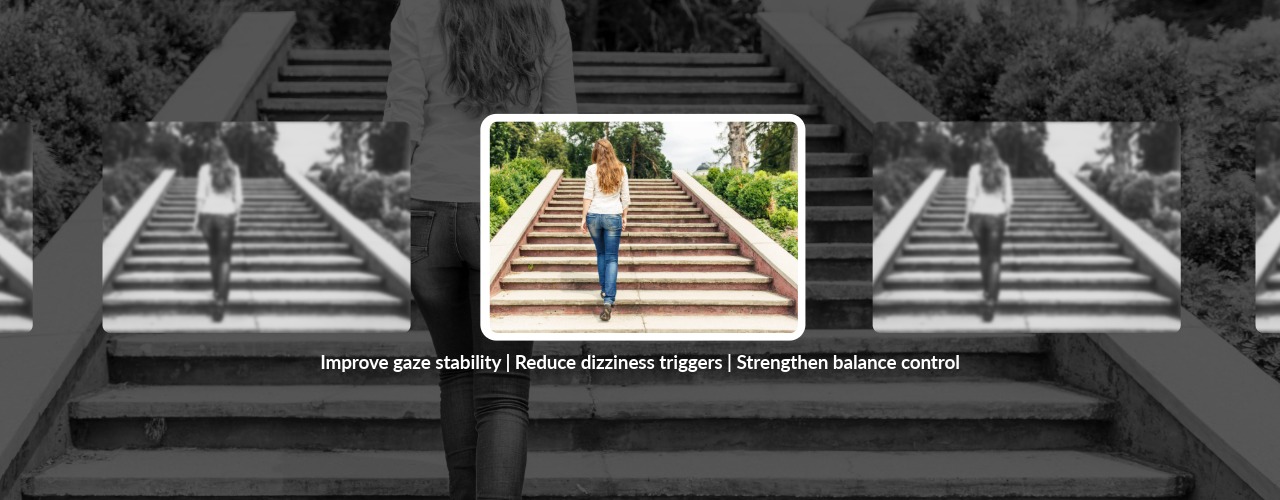
- These exercises focus on incorporating balance and coordination into everyday activities. The goal is to improve confidence and safety when walking in crowded spaces or navigating stairs. This type of training makes progress more meaningful and directly applicable to daily life.
When Do We Recommend Vestibular Rehab Exercises?
If you notice persistent dizziness, imbalance, or difficulty with head movement, it may be time to explore vestibular rehabilitation exercises. Early intervention can help prevent symptoms from becoming more limiting.
One of the National Physical Therapy physical therapists will assess your symptoms, movement patterns, and balance strategies to create a personalized plan. This ensures exercises are safe, effective, and tailored to your specific needs.
Take the Next Step Toward Steady Movement
You do not have to manage dizziness or balance issues on your own. With the right guidance, improvement is possible. At National Physical Therapy, our team provides individualized care plans that incorporate vestibular rehabilitation exercises to help you move with greater confidence and control.
If you are ready to feel more stable and return to the activities you enjoy, reach out today to get started.