Post-Operative Shoulder Rehabilitation: From Surgery to Strength and Flexibility
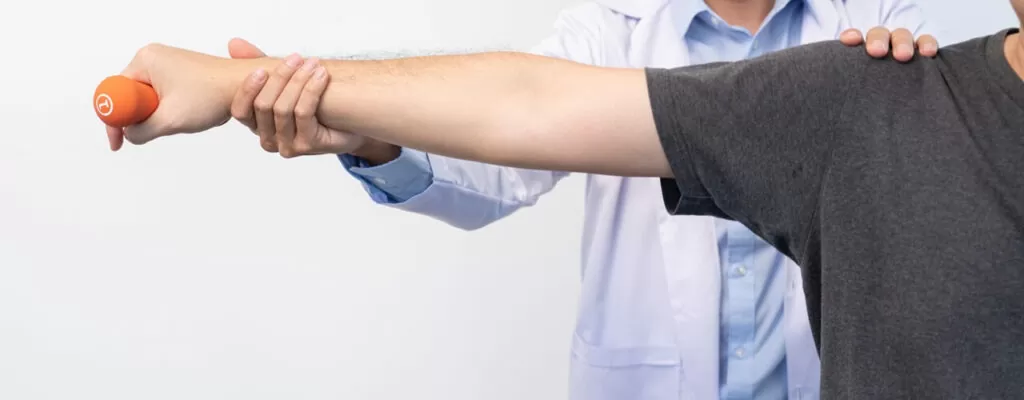
Experiencing discomfort and limited mobility following shoulder surgery? Post-operative shoulder rehabilitation is crucial for restoring function and relieving pain. Take Becca, a dedicated athlete who underwent shoulder surgery due to a sports injury. The road to recovery seemed daunting, but with the right physical therapy plan, she regained strength and flexibility, allowing her to return to her active lifestyle. Discover how we helped Becca rehabilitate from her shoulder surgery and how we can do the same for you!
Ready to embark on your journey to post-operative shoulder rehabilitation? Call our team at National Physical Therapy in Massachusetts today to learn more!
Navigating Symptoms: Understanding Shoulder Challenges After Surgery
After undergoing shoulder surgery, individuals may experience a range of symptoms that can affect their daily activities and quality of life. It is essential to understand these symptoms and their underlying causes to emphasize the importance of effective rehabilitation.
Symptoms
Pain
- Pain is a prevalent symptom experienced post-shoulder surgery. It can range from mild discomfort to severe pain, affecting both rest and movement.
Stiffness
- Many individuals experience stiffness in the shoulder joint following surgery. This stiffness can limit range of motion and make daily tasks challenging.
Weakness
- Weakness in the shoulder muscles is common after surgery due to disuse and tissue trauma. This weakness can hinder functional activities.
Limited Range of Motion
- Individuals may experience limitations in shoulder abduction, flexion, extension, and rotation. Post-operative shoulder rehabilitation often involves restoring range of motion.
Swelling
- Surgical trauma and inflammation can lead to swelling in the shoulder region, further contributing to discomfort and restricted movement.
Causes
Surgical Trauma
- The surgical procedure itself can cause tissue trauma, leading to pain, inflammation, and swelling in the shoulder joint.
Tissue Inflammation
- Following surgery, the body’s natural response to tissue trauma is inflammation. Inflammation can contribute to pain, stiffness, and limited range of motion.
Muscle Weakness
- Prolonged immobilization and disuse of the shoulder muscles post-surgery can result in muscle weakness. Weakness in the surrounding muscles can exacerbate shoulder instability and impair function.
Scar Tissue Formation
- Scar tissue formation is a natural part of the healing process post-surgery. However, excessive scar tissue can impede joint mobility and contribute to stiffness.
Joint Instability
- Shoulder surgery can sometimes lead to joint instability, especially if ligaments or tendons are affected during the procedure. Instability can manifest as pain, weakness, and a sensation of “giving way” in the shoulder.
Understanding these symptoms and causes empowers individuals undergoing post-operative shoulder rehabilitation to take proactive steps toward recovery. Through targeted interventions and rehabilitation strategies, individuals can effectively address these challenges and regain optimal shoulder function and mobility.
Guiding Your Journey: Treatment Methods for Post-Operative Shoulder Rehabilitation
Becca’s journey through post-operative shoulder rehabilitation highlights the pivotal role of physical therapy in finding relief and achieving optimal recovery. Understand the various treatment methods that aided Becca in her post-operative shoulder rehabilitation journey and how they could be utilized to help you in your personalized rehabilitation plan.
How Physical Therapy Can Help with Post-Operative Shoulder Rehabilitation
Manual Therapy
- Becca, like many post-operative shoulder patients, initially faced stiffness and limited range of motion. Our team incorporated joint mobilization techniques to gently manipulate the shoulder joint, gradually restoring its mobility and alleviating discomfort. Through another manual therapy technique, soft tissue mobilization, our team aimed to improve tissue flexibility and reduce adhesions.
Therapeutic Exercises
- Becca performed range of motion exercises prescribed to help her regain flexibility in her shoulder joint. With consistent practice, she experienced gradual improvements in her ability to lift her arm overhead and perform daily activities. As Becca progressed in her rehabilitation journey, we introduced strengthening exercises into her routine to rebuild muscle strength and stability around her shoulder. These exercises, including resistance band exercises and weightlifting, helped her regain functional strength and prevent future injuries.
Patient Education
- Becca learned about the importance of maintaining good posture to prevent shoulder strain. We provided tips on proper sitting and standing posture, as well as ergonomic recommendations for her workplace and daily activities. Throughout her rehabilitation, Becca adjusted her daily routines and recreational activities based on her therapist’s guidance. By modifying her movements and avoiding overhead reaching initially, she minimized stress on her healing shoulder and optimized her recovery.
Home Exercise Program
- We designed a tailored home exercise program to complement Becca’s in-clinic sessions. Becca diligently performed these exercises, including pendulum swings, wall slides, and shoulder stretches, to maintain her progress between therapy sessions.
By integrating these comprehensive treatment methods into post-operative shoulder rehabilitation programs, individuals like Becca can experience significant relief, regain shoulder function, and achieve a successful recovery.
Empowering Your Recovery: Concluding Your Post-Operative Shoulder Rehabilitation Journey
As you embark on your post-operative shoulder rehabilitation journey, remember that the path to recovery is paved with dedication, perseverance, and the guidance of skilled physical therapists.
By prioritizing your rehabilitation and committing to your personalized treatment plan, you can overcome the challenges posed by post-operative shoulder rehabilitation and reclaim your quality of life. Whether you’re aiming to return to work, pursue your favorite hobbies, or simply perform daily tasks with ease, physical therapy offers the support and expertise needed to reach your goals.
Don’t let post-operative shoulder pain hold you back any longer. Take the first step towards regaining control of your health and well-being. Call our team at National Physical Therapy in Massachusetts today to learn more about how our post-operative shoulder rehabilitation programs can empower your recovery. Let’s work together to get you back to doing what you love, pain-free.