Conquering Ankle and Foot Injuries with Physical Therapy
Regaining Mobility: Ankle and Foot Injury Recovery and Prevention for All
Injuries to the ankle and foot can strike anyone, regardless of age or activity level. Whether you’re an avid athlete or simply navigating the daily challenges of life, understanding the path to recovery and injury prevention is vital.
Ankle and foot injuries are common, affecting millions of Americans each year. These injuries can result from various causes, including sports activities, accidents, or overuse. Our physical therapists recognize that ankle and foot health are essential for everyone, and we are well-equipped to assist you in your recovery journey.
At National Physical Therapy, our physical therapists specialize in treating ankle and foot issues, offering personalized care for individuals of all backgrounds. Whether you’re a young athlete or an older adult, we are committed to helping you achieve the best possible outcomes!
Unlocking Foot and Ankle Health: Common Injuries and Conditions Treated by Physical Therapists
The foot and ankle are the foundation for our mobility and bear the weight of our daily activities. Unfortunately, they are also susceptible to injuries and painful conditions that can significantly impact our lives. The good news is that our physical therapists are well-equipped to address and treat these issues effectively.
Here are the three most common foot and ankle injuries and painful conditions that physical therapists regularly treat:
- Ankle Sprains: Ankle sprains occur when the ligaments that support the ankle stretch or tear due to sudden twisting or rolling of the foot. This leads to pain, swelling, and instability.
- Plantar Fasciitis: Plantar fasciitis is a painful condition characterized by degenerative breakdown, and in some cases inflammation of the thick band of tissue that runs along the bottom of the foot. It causes heel pain, especially in the morning or after prolonged standing.
- Achilles Tendinitis: Achilles tendinitis involves inflammation of the Achilles tendon, which connects the calf muscles to the heel bone. It can result from overuse, trauma, or improper footwear.
Don’t let foot and ankle pain hinder your mobility and quality of life. Our physical therapists will help you overcome these common conditions and regain comfort and functionality!
Effective Treatments for Foot and Ankle Injuries
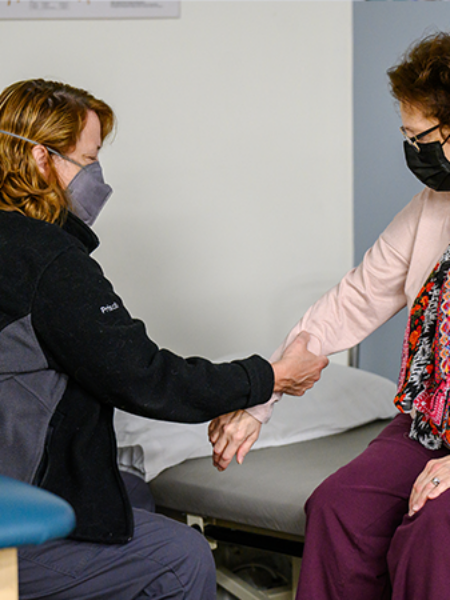
At National Physical Therapy, we’ll start with a comprehensive assessment that considers your medical history, including your previous activity level and the specific injury to your ankle or foot. This evaluation forms the basis of your personalized treatment plan.
We recognize that each patient is unique, and we develop personalized treatment plans tailored to your individual needs, including the following:
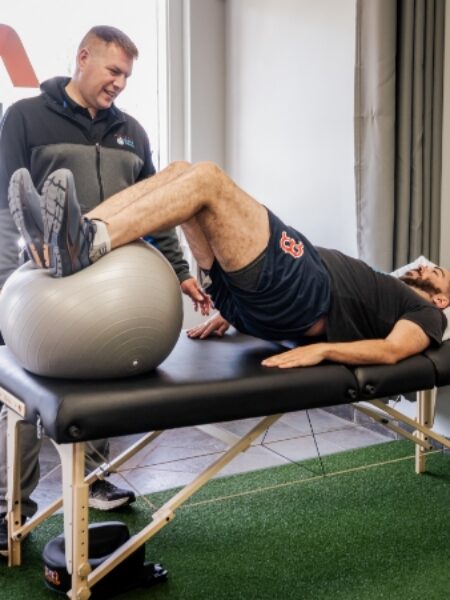
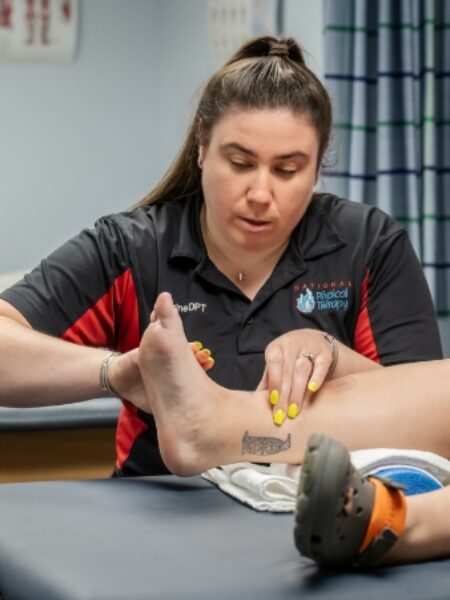
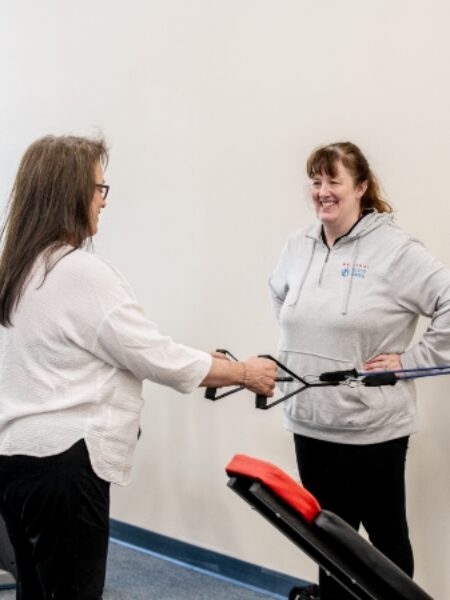
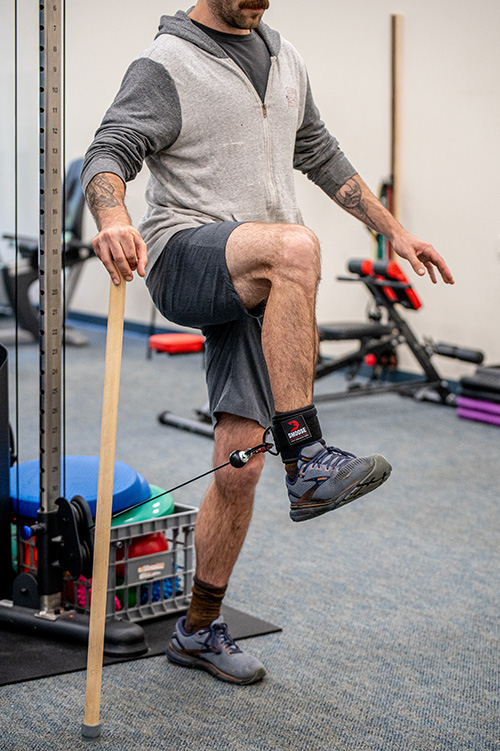
- Manual Therapy and Exercise: Physical therapists often begin treatment with manual therapy techniques that include joint mobilizations and soft tissue mobilizations. These hands-on methods improve joint mobility, reduce pain, and enhance tissue flexibility. We also use tailored exercises to help restore normal function, strengthen muscles, and improve the range of motion in the foot and ankle.
- Balance and Proprioception Training: Balance and proprioception training are essential for foot and ankle rehabilitation. These exercises target the improvement of proprioceptive awareness and stability, crucial for preventing re-injury. Research indicates that balance training programs effectively reduce the risk of ankle sprains, particularly in athletes and those with a history of previous sprains.
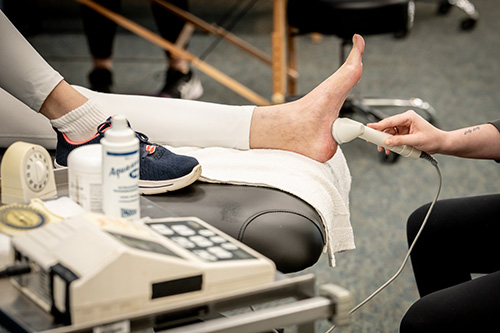
- Modalities: In some cases, our physical therapists may use ultrasound, electrical stimulation, and laser therapy to alleviate pain and accelerate tissue healing. These treatments can be particularly beneficial in the early stages of injury recovery.
- Education and Self-Care: Patient education is a cornerstone of foot and ankle rehabilitation. Physical therapists guide self-care, including home exercises and strategies to prevent further injury. Studies show that patient education significantly improves outcomes and reduces the risk of recurring issues.
Whether recovering from a sprain, managing a chronic condition, or aiming to prevent future problems, our programs offer effective solutions to restore mobility, alleviate pain, and enhance overall foot and ankle health.
Schedule a consultation with our experienced physical therapists today to take the first step towards better foot and ankle health!
Say Goodbye to Pain – Get Started with PT Now!
Miss feeling your best? Come back to National Physical Therapy and let us help you get there—schedule your appointment today!
Healthy Recipe:
Slow-Cooker Jambalaya
Ingredients:
- 1 lb boneless, skinless chicken breast, cut into bite-size pieces
- 4 oz smoked turkey sausage, chopped
- 3 cups chopped fresh collard greens
- 1 ¼ cups chopped green bell pepper
- 2 stalks celery, thinly sliced (1 cup)
- ¾ cup chopped onion
- 1 (28 oz) can no-salt-added crushed tomatoes, undrained
- 1 tbsp quick-cooking tapioca
- 4 cloves garlic, minced
- 1 tsp dried thyme, crushed
- 1 tsp crushed red pepper
- 8 oz frozen peeled & deveined medium shrimp, thawed
- 2 cups hot cooked brown rice
- Chopped fresh parsley
Directions:
Combine chicken, sausage, collard greens, bell pepper, celery, and onion in a 3 1/2- or 4-quart slow cooker. Stir in tomatoes, tapioca, garlic, thyme, and crushed red pepper. Cover and cook on Low for 5 to 6 hours or on High for 2 1/2 to 3 hours. If using low setting, turn to High. Stir in shrimp. Cover and cook for 30 minutes more or until shrimp are opaque. Serve over hot cooked brown rice. Sprinkle with parsley.
Unlocking the Power of Proprioception: A Key to Foot and Ankle Recovery
Imagine taking a step in the dark. Somehow your feet landed safely on the ground, one in front of the other. This remarkable ability is known as proprioception.
Proprioception is our body’s internal GPS, enabling us to navigate the world around us. It relies on specialized sensors in our muscles, tendons, and joints, constantly sending signals to the brain about the position and movement of our limbs. This is what allows us to maintain balance, adjust our gait, and perform precise movements without conscious thought.
When a foot or ankle injury occurs, such as a sprain, the proprioceptive system can be disrupted. Swelling, pain, and changes in joint mobility all send confusing signals to the brain. As a result, our sense of balance and coordinated movements are affected. Walking may feel unsteady, and the risk of re-injury increases. Fortunately, our physical therapists at National Physical Therapy can help!
Retraining Proprioception
Our highly skilled physical therapists will help you retrain proprioception after foot and ankle injuries. Here are three examples of how they do it:
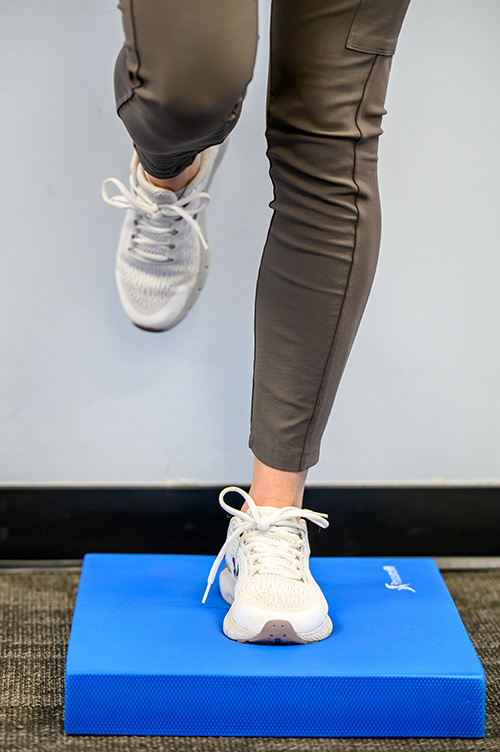
- Balance Exercises: We’ll teach you balance exercises that challenge patients to maintain stability on one foot, perform controlled movements, or use balance boards
- Neuromuscular Reeducation: Your physical therapist will incorporate specific exercises that involve controlled movements, such as toe tapping or heel walking, to reestablish communication between muscles and the brain.
- Functional Activities: Our highly trained therapists will incorporate functional tasks like walking on uneven surfaces, navigating obstacles, or mimicking real-life activities. These tasks re-educate the proprioceptive system to adapt to different environments and movements.
Don’t let an ankle or foot injury limit you. By regaining proprioceptive awareness, you can reclaim your mobility and reduce the risk of re-injury.
Our Patients Get Great Results
“I had a wonderful experience at the National Physical Therapy branch in Mansfield. Each staff member I interacted with was incredibly knowledgeable and explained the purpose of each exercise very well. I highly recommend Mark and his team!”
– Danielle F.
Thank you for subscribing to National Physical Therapy

Backpack Safety
Backpack Strategies for Parents and Students
Aching backs and shoulders? Tingling arms? Weakened muscles? Stooped posture? Does your child have these symptoms after wearing a heavy school backpack? Carrying too much weight in a pack or wearing it the wrong way can lead to pain and strain. Parents can take steps to help children load and wear backpacks the correct way to avoid health problems.
Loading the backpack:
- A child’s backpack should weigh no more than about 10% of his or her body weight. This means a student weighing 100 pounds shouldn’t wear a loaded school backpack heavier than about 10 pounds.
- Load heaviest items closest to the child’s back (the back of the pack).
- Arrange books and materials so they won’t slide around in the backpack.
- Check what your child carries to school and brings home. Make sure the items are necessary for the day’s activities.
- If the backpack is too heavy or tightly packed, your child can hand carry a book or other item outside the pack.
- If the backpack is too heavy on a regular basis, consider using a book bag on wheels if your child’s school allows it.
Wearing the backpack:
- Distribute weight evenly by using both straps. Wearing a pack slung over one shoulder can cause a child to lean to one side, curving the spine and causing pain or discomfort.
- Select a pack with well-padded shoulder straps. Shoulders and necks have many blood vessels and nerves that can cause pain and tingling in the neck, arms, and hands when too much pressure is applied.
- Adjust the shoulder straps so that the pack fits snugly on the child’s back. A pack that hangs loosely from the back can pull the child backwards and strain muscles.
- Wear the waist belt if the backpack has one. This helps distribute the pack’s weight more evenly.
- The bottom of the pack should rest in the curve of the lower back. It should never rest more than four inches below the child’s waistline.
- School backpacks come in different sizes for different ages. Choose the right size pack for your child as well as one with enough room for necessary school items.
- Only put items in your backpack that you need for the day.