

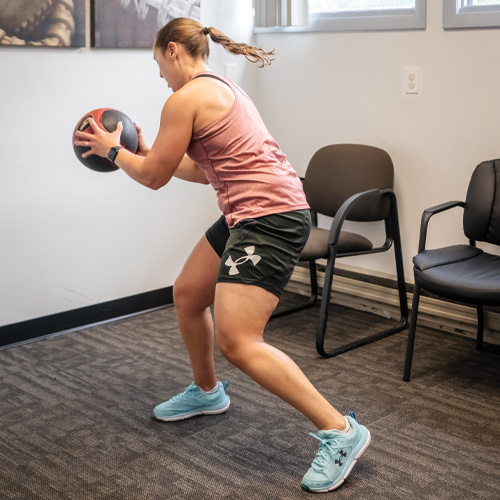
No matter what your skill level or experience with Pickleball, learning how to prepare your body correctly is the key to enjoying the sport. Pickleball is the fastest growing sport in America, and the game is gaining more and more players every day.
Pickleball is an easy and fun way to stay active. The sport is similar to other racquet sports and is often played on modified tennis courts.
Unfortunately, people jump right into the sport without any preparation or training to prepare their bodies for the demands on their muscles, tendons, and joints. At National Physical Therapy, our physical therapists have proven success working with people of all ages to recover from injury and resume whatever sport they enjoy.
The Most Common Injuries Associated With Pickleball
As with any sport, injuries can be a part of playing the game of Pickleball. The sport’s popularity has opened it up to people of all ages. The game is easy to play for beginners and can also meet the requirements of a more competitive player with the possibility of a fast-paced match for singles or doubles. As the popularity grows, so too does the risk of injury.
The sport requires abrupt changes of direction and stopping and starting movements, all of which have been linked to non-contact injuries like sprains and strains. There is also the potential for falling and repetitive movement type injuries, especially to the upper extremities. Another potential risk of injury stems from the lack of preparation and the age of the deconditioned athletes.
The most common injuries in Pickleball include:
- Ankle sprains
- Achilles tendon injuries and inflammation
- Patella (knee cap) tendinopathies
- Hamstring, adductor (inner thigh), or quadriceps muscle strains
- Shoulder impingements and rotator cuff injuries
- Elbow tendonitis (Tennis elbow)
- Wrist fractures from falls
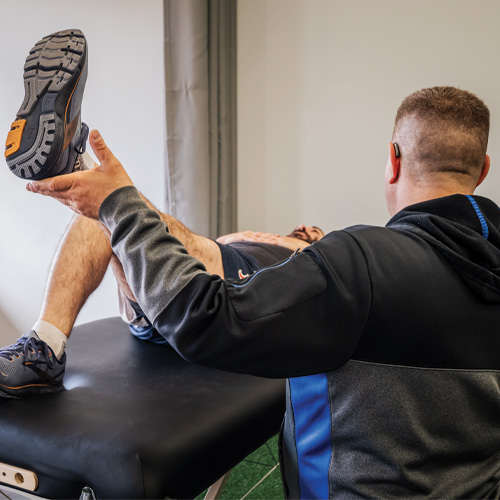
What to Expect at Physical Therapy Sessions
Physical therapy should start immediately following most injuries to ensure the fastest recovery possible. A physical therapist with experience treating sports-related injuries will conduct a thorough evaluation to determine the injury’s severity and identify any other factor that may affect your ability to recover promptly.
Next, your therapist at National Physical Therapy will create a targeted, individualized treatment plan for you to promote an accelerated recovery plan and prevent future injuries associated with Pickleball.
For example, your physical therapist will guide you through exercises designed to help the injury and return to your pre-injury abilities. We will start with pain management and restoring mobility to the injured area.
Request an Appointment Today!
At National Physical Therapy, our therapists are experts at treating Pickleball-related injuries. We have proven success with treating athletes of all skill levels and ages.
Call today to schedule an appointment with one of our specialists!
Say Goodbye to Pain – Get Started with PT Now!
Ready to feel your best again? Come back to National Physical Therapy and let us help you achieve your wellness goals—book your appointment today!
Exercise of the Month
BRIDGING
Begin on your back. Bend your knees and keep your back flat on the ground. Gently, contract your abdominals and hold to keep your back flat as you move up into the bridge position. Remember to breathe. Gently, squeeze your butt muscles and lift your hips off the ground. The goal is to have your hips aligned with your knees and shoulders. Hold for 5 seconds.
3 Sets, 10 Reps.

April Word Scramble
olofs
rwhesso
sutpli
aiprodsnr
tlaeacprilr
angrde
Answer Key
fools
showers
tulips
raindrops
caterpillar
garden

Spring Is Running Season! Are You In Your Best Shape?
Are you looking forward to starting running again after a long winter? At National Physical Therapy, our therapists understand running injuries, and we will make sure you run pain-free this spring!
Runners are often misled into believing unproven solutions to avoiding pain and injury. Not many people know that the number-one risk factor for runners to sustain an injury is having had an injury in the last 12 months.
The other most common risk factors are:
- Running experience of 0–2 years
- Restarting running after extended rest
- Overtraining (i.e., more than 40 miles per week)
To ensure you can get back to running or increasing your mileage without pain or injury, start with an injury evaluation and a biomechanical assessment to identify any factors that could contribute to pain or injury.
Our therapists will take a thorough history to understand your training schedule, previous injuries, and overall health status. We use this information to create an individualized program to alleviate pain and get you back to running without limits.
Local Deal for You!
Special savings from our trusted community partners.

Hanover Has Moved!
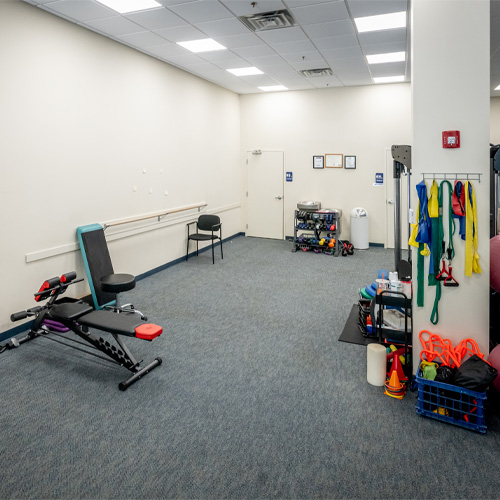
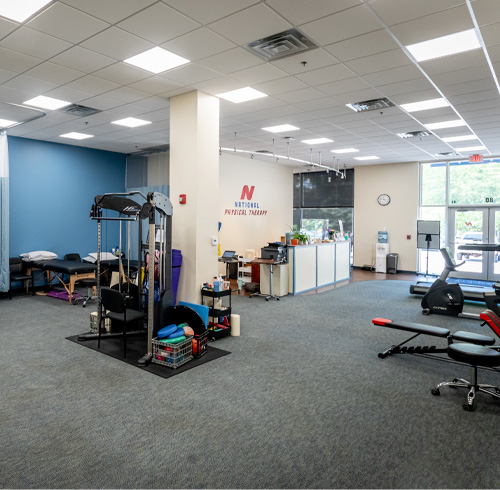
We’re excited to announce that our Hanover location has moved! The new clinic offers more treatment space and the same friendly team you know and trust.
New Address:
1207 Washington St Suite B5,
Hanover, MA 02339
Phone: (781) 412-1549
Our Patients Get Great Results
“Marissa was an excellent physical therapist and really helped me a lot. Elizabeth was always extremely helpful getting and changing appointments when needed. A great place all around 😎”
– P.P.

These no-bake energy bites are quick to make, easy to digest, and perfect for fueling up before a run. They provide a balance of carbohydrates for quick energy and healthy fats to help you feel satisfied without weighing you down.