
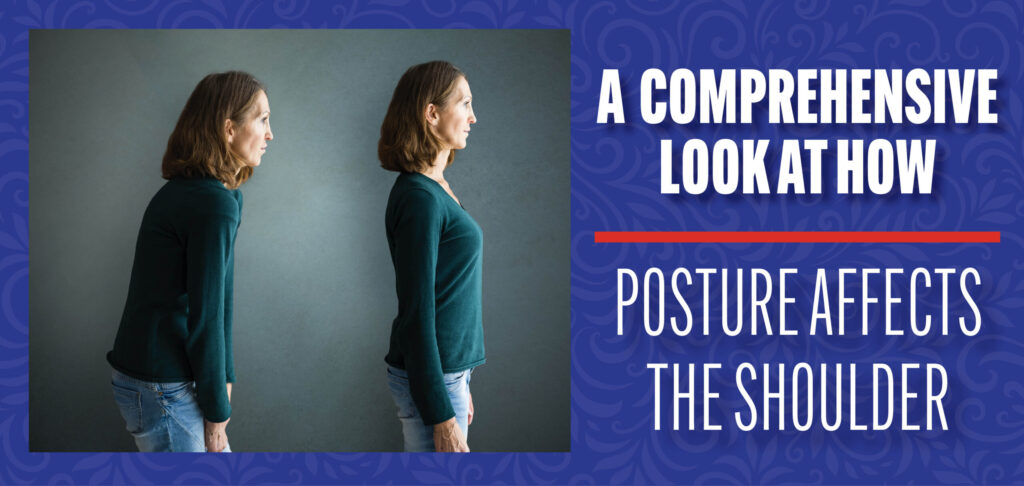
A Comprehensive Look at How Posture Affects the Shoulder
Shoulder pain is an all-too-common complaint, making routine activities like lifting, typing, and even sleeping difficult. It seems like every week we get a patient who comes to us with shoulder pain related to poor postural habits.
A lot of people know the old song about how the foot bone is connected to the knee bone (and the knee bone is connected to the thigh bone, and so on). In the world of physical therapy, we call this regional interdependence. This means something in one area of the body is affecting another area. As the song says: it’s all connected.
Well, this is definitely true when it comes to the functioning of our shoulder joints. Poor postural habits and prolonged slumped postures put the shoulder in a vulnerable position, making it susceptible to pain or injury. The good news is our therapists at National Physical Therapy have extensive training in identifying all the factors that are contributing to your shoulder pain and, most importantly, how to resolve them, one by one!
How Posture Impacts the Shoulder
One significant factor contributing to shoulder pain is Upper Crossed Syndrome (UCS). This condition is characterized by postural changes that affect how the muscles of our upper back and shoulder girdle work, which in turn affects the normal movement patterns in the entire upper portion of the body.
The classic signs of Upper Crossed Syndrome include:
- Forward head posture: The head is positioned forward in relation to the shoulders.
- Rounded shoulders: The shoulders are rounded forward, causing the upper back to appear hunched.
- Increased thoracic kyphosis: The upper back has an increased curvature, leading to a rounded appearance.
- Protracted shoulder blades: The shoulder blades are positioned more forward and away from the spine.
- Weak deep neck flexors: The muscles at the front of the neck that help stabilize the head are weak.
- Tight pectoral muscles: The muscles in the chest area are tight and may contribute to the rounded shoulder posture.
- Weak scapular stabilizers: The muscles that stabilize the shoulder blades are weak, leading to altered movement patterns.
These issues often lead to shoulder pain, limited range of motion, and impaired muscle function. Although the signs are common in a lot of people, not everyone with these signs will have the same symptoms. This is why it is essential to consult one of our physical therapists to identify your specific needs and design a tailored treatment plan that addresses your situation.
The Role of Physical Therapy in Resolving Your Pain
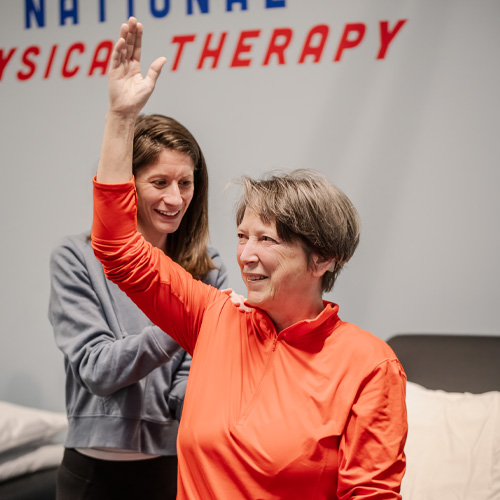
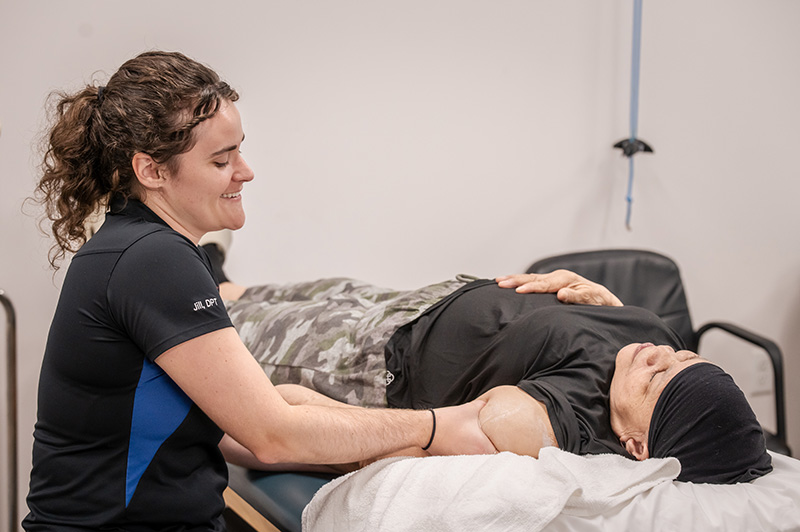
The first step to resolving your shoulder pain is a comprehensive evaluation. Our physical therapists will conduct a thorough history and physical exam that includes an assessment of your posture as well as the function of your shoulder blade musculature to identify any obvious changes to muscle activation and movement patterns.
Based on the assessment, our physical therapists will design tailored exercise regimens that address not only muscle length and strength but also neuromuscular factors. This could lead to more lasting relief and functional improvement.
Our team uses a functional approach that is rooted in neurology. We consider the interaction between your nervous system, biomechanics of your spine and shoulder joints, as well as muscle function. This allows us to not only identify and address any imbalances in muscle length and strength, but also from neuromuscular factors like muscle recruitment.
These exercises may include work on your spinal joint mobility and strengthening exercises to correct any postural dysfunctions contributing to your conditions. Our team spends a lot of time educating you about how you are holding and moving your body to ensure you have the tools to train your body in the proper movement patterns that help to correct imbalances and offer lasting relief.
Take the First Step Towards Lasting Relief Today
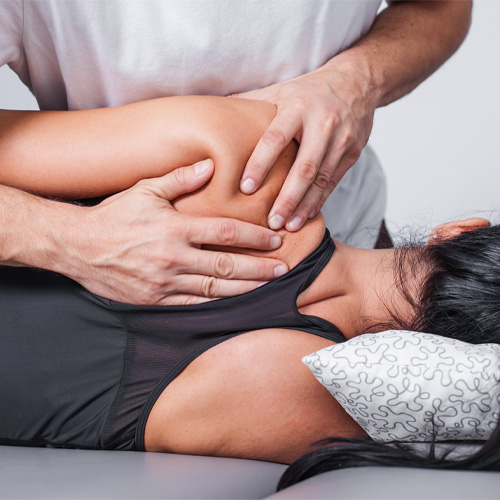
If you’re experiencing persistent shoulder pain, limited range of motion, or discomfort in your upper body, the time to act is now. These signs are not just distressing; they can have a long-term impact on your quality of life and overall well-being. Reach out to National Physical Therapy today for a comprehensive assessment and personalized treatment plan designed to restore balance to your muscles, improve your posture, and, most importantly, alleviate your pain!
Exercise of the Month
STANDING LUMBAR SELF TRACTION
Stand in front of a sturdy counter or bench about waist height. Place your hands firmly on the surface and slowly bend your knees slightly while leaning your weight into your arms. Allow your hips to drop downward, feeling a gentle stretch and decompression in your lower back. Hold the position briefly, then return to standing.
3 Sets, 30-Second Hold. (Materials needed: counter or bench)

November Word Scramble
nrbareycr
tfuisngf
ouoarncpic
iamylf
drapea
altkunhf
Answer Key
cranberry
stuffing
cornucopia
family
parade
thankful

Innovative Approaches to Physical Wellness this Thanksgiving Season
Thanksgiving is more than just a day of feasting; it’s a time to come together and celebrate what we’re thankful for. While traditional advice often emphasizes the basics, let’s elevate your approach to physical well-being this season with these cutting-edge tips:
- Dynamic Warm-Up Before the Turkey Trot: If you’re planning a Thanksgiving morning run or family games, forget old-school stretching. Use a dynamic warm-up to prep your muscles and boost your range of motion.
- Text Neck Prevention: As we catch up on social media or text friends and family Thanksgiving wishes, “text neck” can be a real issue. Counteract this by sitting tall or not at all and doing neck stretches every hour.
- Mindfulness Through Movement: Instead of sitting to meditate or relax, try combining mindfulness with gentle movements like Tai Chi or a light stroll through the neighborhood.
Embrace your health by prioritizing your physical and mental well-being to ensure you have the best Thanksgiving yet! 🦃
Local Deal for You!
Special savings from our trusted community partners.

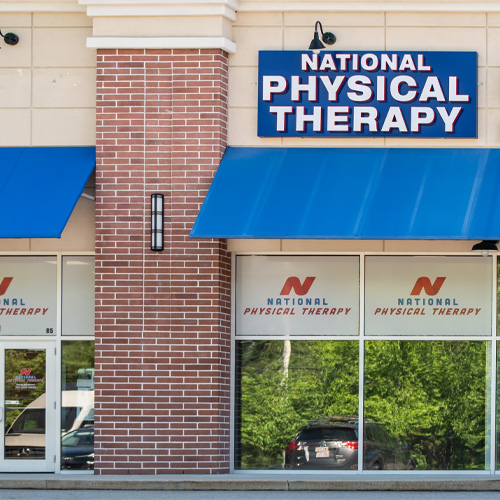
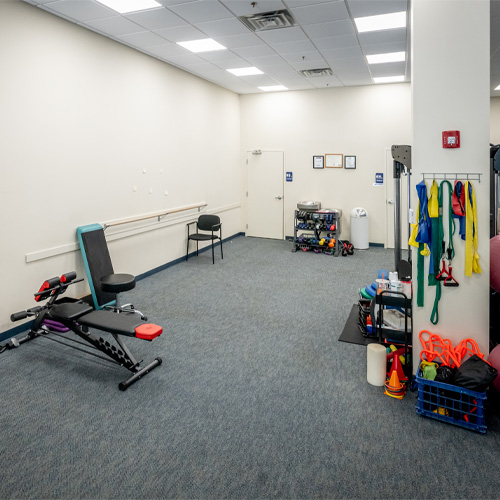
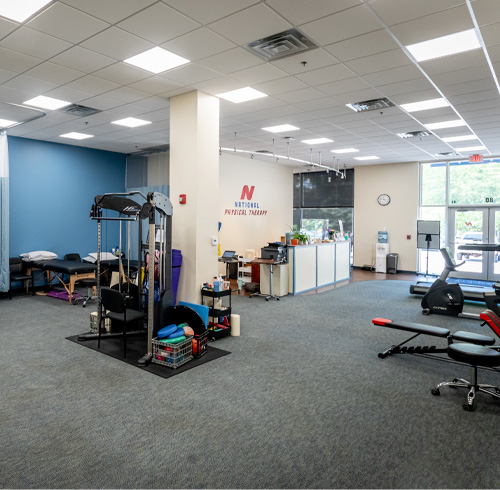
Hanover Has Moved!
We’re excited to announce that our Hanover location has moved! The new clinic offers more treatment space, and the same friendly team you know and trust.
New Address:
1207 Washington St Suite B5,
Hanover, MA 02339
Phone: (781) 412-1549

Don’t Let Your Benefits Go to Waste
Use Your Deductible Before the Year Ends!
Did you know your physical therapy sessions could be free or reduced if your insurance deductible has already been met? Now’s the perfect time to schedule those sessions you’ve been putting off!
Whether it’s addressing lingering pain, improving mobility, or just staying on top of your health, National Physical Therapy is here to help you finish the year strong –and save money while doing it.
Call us today to check your benefits and book your appointment before the year ends!
Our Patients Get Great Results
“I can truly say that National Physical Therapy is a gem hidden within Fall River! Their professionalism and knowledge of physical therapy is 2nd to none and is only matched by their infectious positivity and awesome attitudes. James “The Gent” is hilarious and super cool. John is the OG of the crew and extremely kind and patient. Capt. Jill is the leader who is very funny in her own right (and loves speaking Spanish lol). And Kayla is the perfect choice that any company would be lucky to have to greet their clients as they walk through the door. (But you might want to avoid saying the name Jalen Hurts around her lol). This crew is the best!
P.S. – FLY EAGLES FLY! 🦅😎”
– S.E.

Crispy on the outside and fluffy on the inside, these Sheet Pan Crispy Mashed Potatoes are the ultimate comfort food side dish. They’re simple to make, deliciously golden, and perfect for bringing a little extra crunch to your dinner table!