Back Pain Slowing You Down? Physical Therapy Can Help!
Here’s a fact about back pain that may bring you some comfort: it’s one of the most common musculoskeletal complaints in the world. Around 80% of people will have back pain at least once. So, if you’re suffering now, you probably aren’t the only one!
Of course, that thought does little to help if your back pain keeps you from performing day-to-day activities — as it often does. Back pain is often accompanied by mobility restrictions that make walking, rising from sitting, or bending over difficult. And if left untreated, it can sometimes lead to long-term pain and dysfunction.
At National Physical Therapy, we know how debilitating back pain can be. Our team of dedicated physical therapists will help you understand the cause or causes of your back pain and work with you to develop a personalized treatment plan that will let you get back to the activities you love to do.
Call our clinic today to set up your initial consultation!
What Causes Back Pain?
One of the reasons that back pain is so common is that it’s associated with several different injuries, underlying conditions, or lifestyle factors. That said, most back pain is non-specific, meaning it’s not caused by a specific disease or specific structural problem, but caused by mechanical issues. Mechanical issues are difficult to pinpoint and may include multiple tissues in and around the spinal joints.
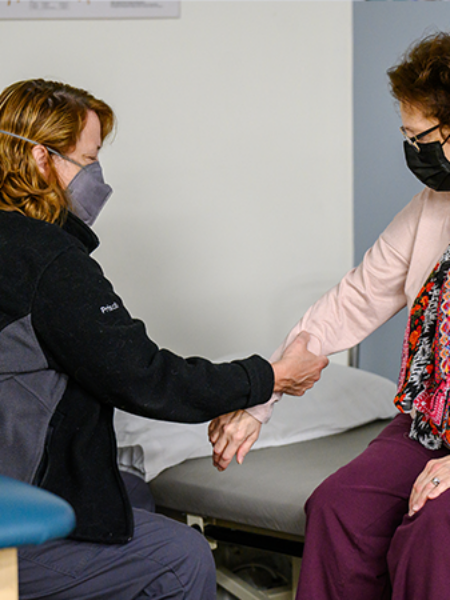
The first step in treating your back pain is understanding what’s contributing to it. Our therapists will perform a comprehensive evaluation to help us learn as much as possible about your experience with back pain, including screening for any mobility limitations or weakness you’re struggling with.
Here are some of the more common sources of back pain that we see at our clinic:
- Strains and Sprains: A strain occurs when you injure the muscles in your back. A sprain occurs when you injure the ligaments that link your spinal vertebrae. Both can cause pain and limited mobility, and they often result from lifting with improper form (such as twisting while lifting) or attempting to lift something too heavy.
- Herniated Discs: Soft, flexible discs separate and cushion your spinal vertebrae. If one of those discs herniates — that is protrudes out — and irritates a nearby nerve, it can lead to intense pain, feeling “stuck” in a stooped over position, and often pain down the leg known as sciatica.
- Osteoarthritis: Osteoarthritis is the most common form of arthritis in the world, occurring when the cartilage and bone tissue in a joint degenerate and become inflamed. While we often associate it with the hips, knees, or hands, it can occur in the spine, too. Spinal osteoarthritis is sometimes called spondylosis.
- Lifestyle Factors: Several factors can contribute to lower back pain, including improper posture, prolonged sitting, or weakness in the muscles that wrap and support your spine (your core muscles).
Why Physical Therapy at National Physical Therapy Is Your Back Pain Solution
While back pain often resolves on its own within 1-3 months, physical therapy is an excellent choice for people with particularly intense pain or extremely restrictive mobility. It’s also useful for people with chronic back pain — defined as pain that lingers past that three-month mark.
We customize all our back pain treatment plans according to your specific needs: the location and severity of your back pain, any mobility restrictions, your ability level, and overall goals. We’ll work to address the underlying issues causing your pain rather than simply masking the symptoms.
How will we do this? Through a blend of the following techniques:
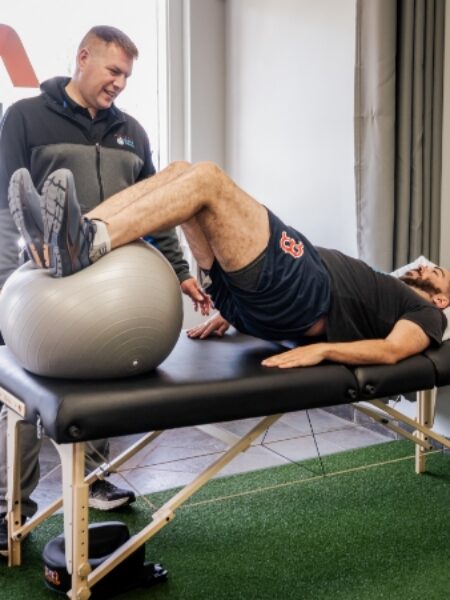
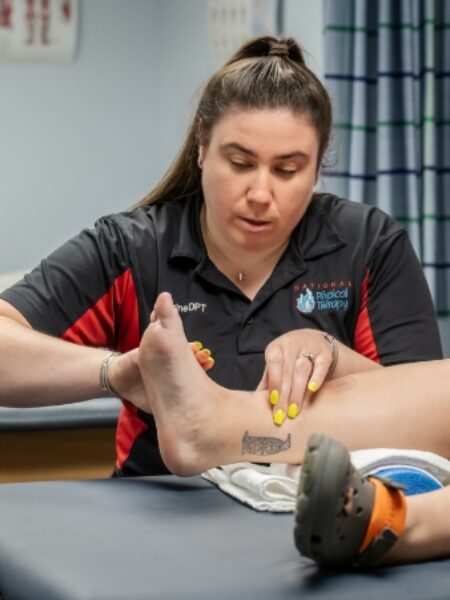
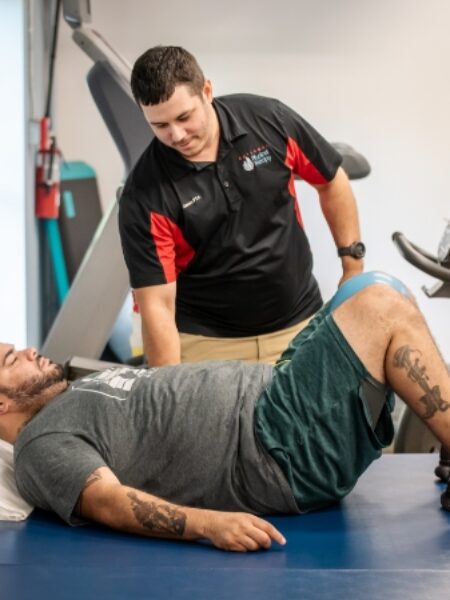
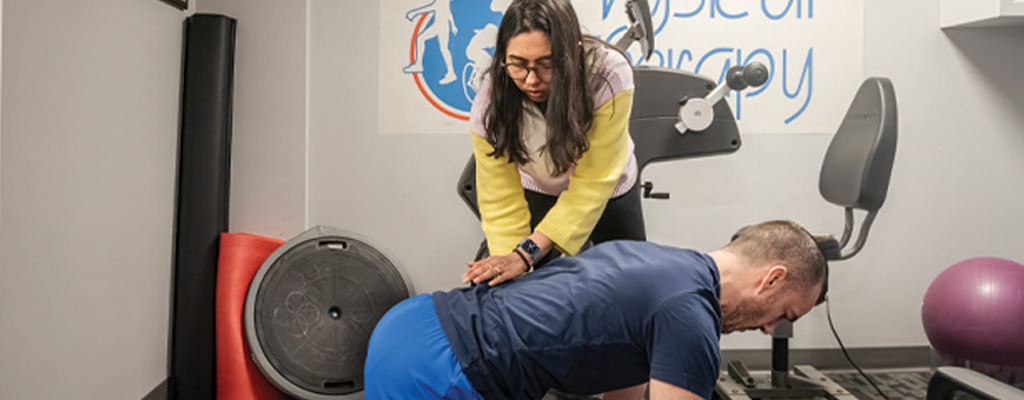
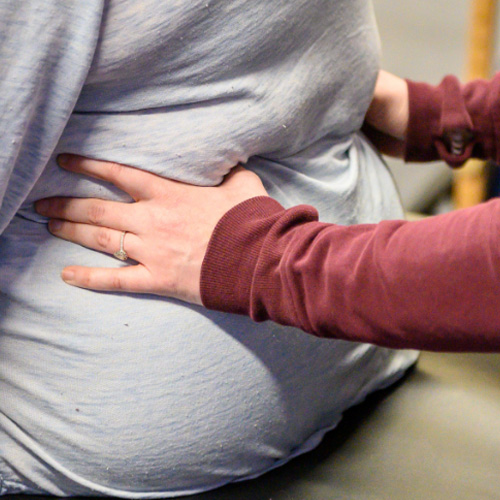
Manual therapy helps manage pain, promote blood circulation, and improve mobility.
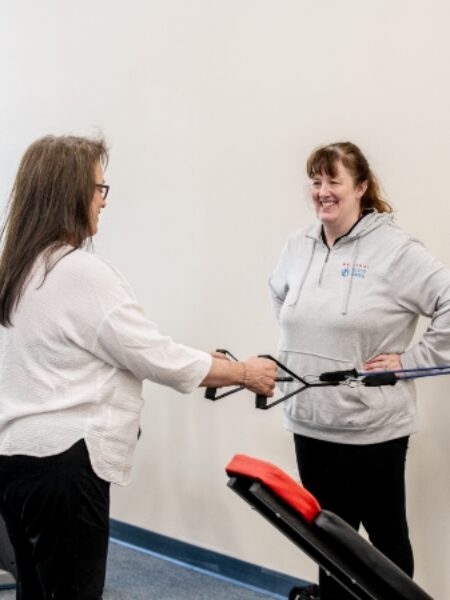
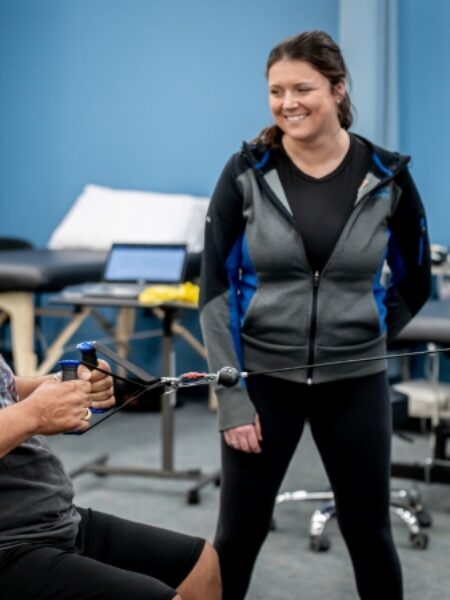
A personalized therapeutic exercise plan improves the strength, flexibility, and endurance of your back and core muscles. Muscle weakness significantly contributes to lower back pain, so exercise is a must.
Specialized training, such as proper techniques and activities that simulate functional movements you’ll need to perform (i.e., squats, lunges, lifting, etc.).
Prevention strategies help reduce future back pain incidents. These strategies might include postural corrections or suggestions for at-home exercises, such as a walking program or regular strength and mobility practice.
Get Moving Again with Physical Therapy!
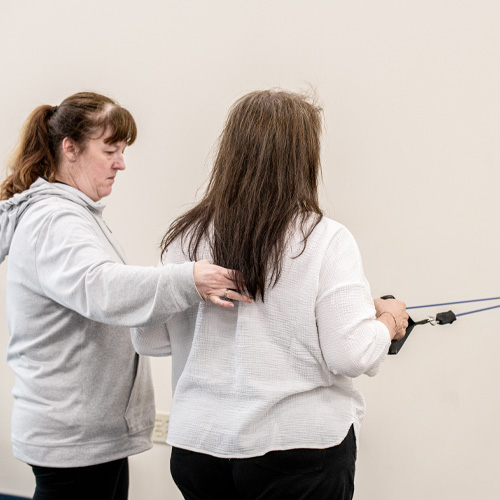
Back pain is more than just pain. It can severely restrict your mobility, leading to less exercise and movement, further contributing to pain and dysfunction. The National Physical Therapy team is here to help you break that cycle and find relief from back pain for good.
Call us today to schedule an appointment!
Say Goodbye to Pain – Get Started with PT Now!
Miss feeling your best? Come back to National Physical Therapy and let us help you get there—schedule your appointment today!
Seasonal Recipe
Chocolate Hazelnut Biscotti Cookies
Ingredients
- 1 1/3 cups all-purpose flour
- 1/2 teaspoon baking powder
- 1/2 teaspoon baking soda
- 1/4 teaspoon kosher salt
- 1/2 cup butter, softened
- 1/2 cup chocolate hazelnut spread
(recommended: Nutella)
- 1/2 cup sugar
- 1/2 cup brown sugar
- 1 egg
- 1 teaspoon vanilla extract
- 3/4 cup chopped toasted hazelnuts
Directions
Preheat the oven to 375 degrees F. In a medium bowl combine the flour, baking powder, baking soda, and salt. Set aside. In another medium bowl combine the butter, chocolate hazelnut spread, sugar, and brown sugar. Using an electric mixer, cream the ingredients together, about 4 minutes. Add the egg and vanilla and beat until smooth, about 1 minute. Using a wooden spoon or rubber spatula, stir in the flour mixture until just combined. Add the hazelnuts and stir until just combined. Using a tablespoon measure, spoon out the cookie dough onto a cookie sheet, spacing the mounds about 4 inches apart. Use the tines of a fork to flatten the cookie dough. Bake until lightly golden around the edges, about 10 to 12 minutes. Use a metal spatula to transfer the cookies to a wire rack and let cool.
5 Healthy
Eating Resolutions

What’s your New Year’s resolution this January? Many individuals choose the New Year as a perfect time to start getting healthier and improving their diet. If this is your resolution, stick around to discover 5 ways you can eat healthier.
1. Drink more water
Drinking water is one of the most essential actions you can take to improve your short and long-term health. Dehydration can affect concentration, alertness, short-term memory, and can cause fatigue. Drinking enough water each day also helps support your kidney health and your physical performance. The benefits go on and on!
2. Eat more Omega-3s
Increasing your intake of omega-3 fatty acid-rich foods may help you maintain a healthy blood pressure. According to research, omega-3 fatty acids can help improve your mood, which is something we all need during the short, dark days of winter.
Aim for two servings of fish per week, preferably fatty fish like salmon, sardines, and some types of tuna high in omega-3s. Not a fan of fish? Choose walnuts and flax as good non-fish sources of omega-3s.
3. Substitute meat with tofu
Did you know that restricting your meat intake is good for the environment and your heart? When you substitute soy for meat, you will naturally consume less saturated fat. While tofu lacks authentic flavor, this is what makes it so versatile—it absorbs the flavors of a stir-fry sauce or marinade like a sponge, making it taste fantastic!
4. Cut back on salt
Excessive salt consumption can raise blood pressure, a significant risk factor for heart disease and stroke. Watch how much salt you add to your food and avoid high salt snacks– like potato chips.
5. Limit your sugar intake
Too much sugar is not only bad for our teeth, but it also increases the risk of unhealthy weight gain and obesity, which can lead to severe and long-term health issues. Instead of selecting sugary drinks, opt for cool refreshing water. You can also replace sweets and candy with healthy snacks, like carrots and hummus.




Our Patients Get Great Results
“Great place. From Janice, the receptionist to the therapists. Mark got my treatment plan implemented and Sam got me going. No way did I think exercising was the fit for my issue. I could barely walk when I went there, pain was extreme. Well stretching, strengthening and exercises have improved me in just 5 weeks time. Can’t say enough about this place!!!!”
– Maureen D.
Thank you for subscribing to National Physical Therapy
Refer a Friend

Our purpose at National Physical Therapy is to leave a greater impact on the community around us. In order to achieve our goal we want to change as many lives as possible as we become a beacon of positivity in our community.

Prevent Back Pain and Mobility Restriction Before It Starts!
Do any of these statements apply to you?
- I have a job that requires me to sit at a desk.
- I struggle to find time to exercise regularly.
- I never learned proper lifting techniques.
- People frequently tell me I slouch.
If so, you may be at a higher risk of developing back pain. Several lifestyle factors can increase the likelihood of an injury leading to back pain. Fortunately, physical therapy at National Physical Therapy is a great choice not only for resolving back pain but for stopping it before it even begins!
Three Simple Back Pain Prevention Tips
Tip 1: Exercise. Regular physical activity helps strengthen the muscles that support and stabilize your spine. Find something that suits your interests and ability level, such as daily walks, simple resistance exercises, or dance fitness classes.
Tip 2: Minimize Sitting. Prolonged sitting can have wide-ranging effects, including increased pressure on your spine. If you have a desk job, get up and move around every 30 minutes or so, even if it’s just to stand up and stretch.
Tip 3: Ask for Help. When it comes to lifting heavy objects, don’t get ambitious! Ask for help when lifting anything heavy or awkwardly shaped, and make sure you’re using proper lifting techniques. Not sure what those are? Our therapists will happily show you how to lift without risking injury.
While these tips can get you started, the National Physical Therapy physical therapists can help you develop a customized back pain prevention plan. We’ll help you identify any lifestyle factors that might put you at risk of developing back pain and then work with you to address them.