Find Relief from Osteoarthritis Pain
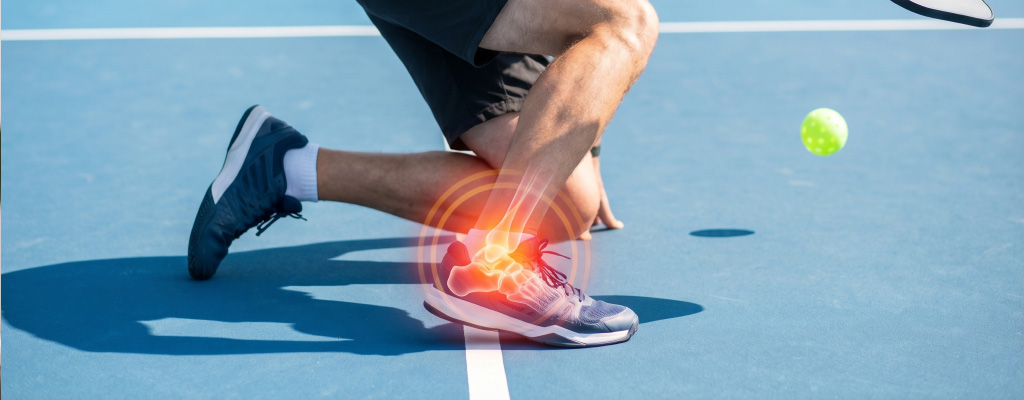
Are you experiencing persistent joint pain, particularly in a weight-bearing joint like your hip or knee? Do you ever notice a clicking or grinding sensation in your painful joint? If so, you may have developed osteoarthritis, the most common form of arthritis in the United States.
Arthritis is an umbrella term for over 100 conditions that cause joint inflammation and lead to pain and restricted mobility. The source of that inflammation will vary depending on the type of arthritis. Osteoarthritis is caused by the degeneration of the cartilage and bone tissue in the affected joint.
Osteoarthritis has no cure and can profoundly impact your overall quality of life, making it harder for you to stay active, keep up with chores, and enjoy time with your loved ones. Fortunately, physical therapy at National Physical Therapy offers several tools and techniques to help you manage your symptoms — often enough that you can delay or even avoid surgical interventions.
If you’re tired of living with osteoarthritis pain, call us to schedule an appointment today!
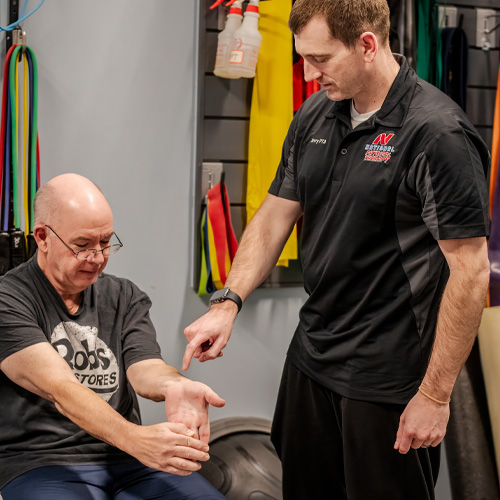
Understanding Osteoarthritis: Symptoms and Causes
The primary symptoms of osteoarthritis are pain and stiffness in the affected joint. These symptoms often manifest in the following ways:
- Pain during activity but not while at rest
- Pain when you press on the joint
- Joint stiffness first thing in the morning
- Joint stiffness after sitting or lying down for long periods
- Noises in the joint, including creaking, cracking, or crunching
While any joint can develop osteoarthritis, it most commonly occurs in weight-bearing joints like the knees and hips. However, it’s also fairly common in the hands, spine, and feet.
The causes of osteoarthritis are complex, and several factors can contribute to it. One of these factors is age: approximately 73% of people with the condition are 55 years or older. That’s not to say osteoarthritis is an inevitable part of the aging process — plenty of older people don’t have it. But your chances of developing it do increase as you age.
Other possible factors contributing to osteoarthritis include past injuries to the joint, gender (women are more likely to develop it than men), body weight, and even genetic predispositions.
How Physical Therapy Helps Manage Osteoarthritis Symptoms
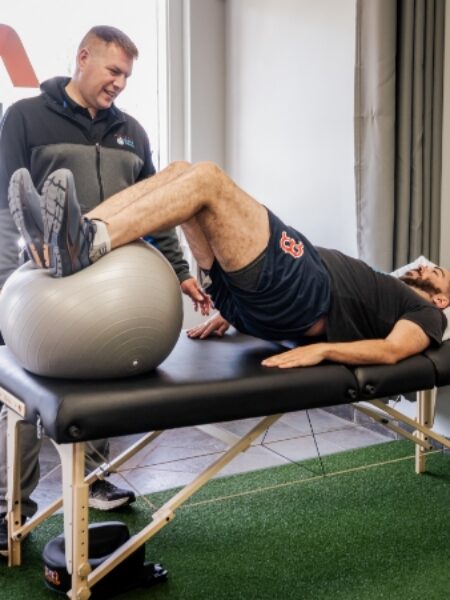
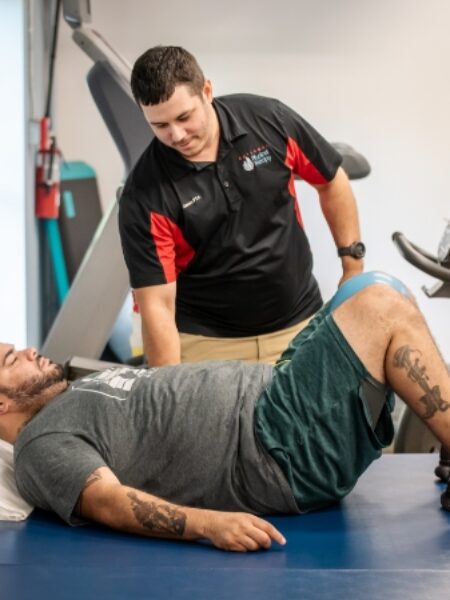
The good news is that you can control osteoarthritis symptoms with the help of physical therapy. Although movement can be painful with osteoarthritis, exercise is one of the best drug-free ways to manage the condition. Our physical therapists will help you find an exercise program that suits your needs.
Here’s how we’ll do it:
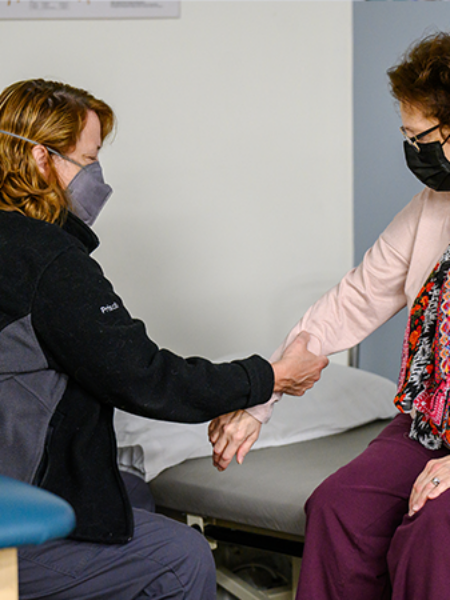
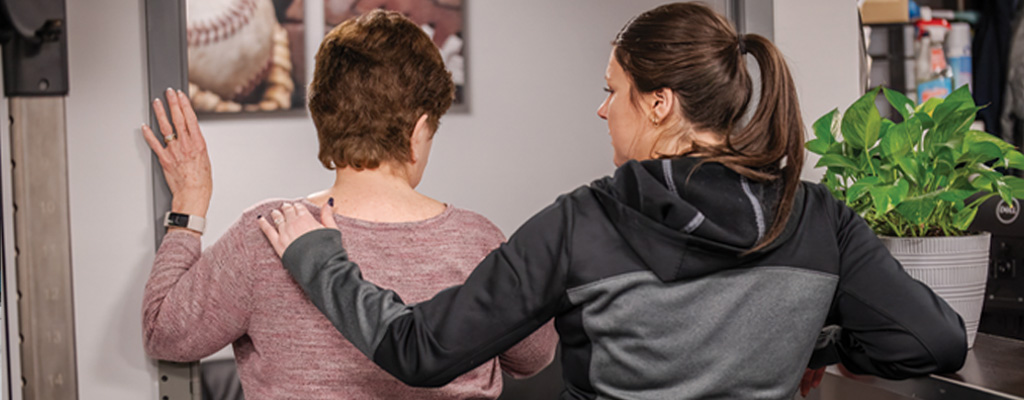
- Comprehensive Evaluation: We start by evaluating how osteoarthritis impacts you, including performing simple tests to assess your strength, mobility, and/or balance. We’ll also ask you about the ways that osteoarthritis is negatively affecting your life. For example, which activities do you find challenging?
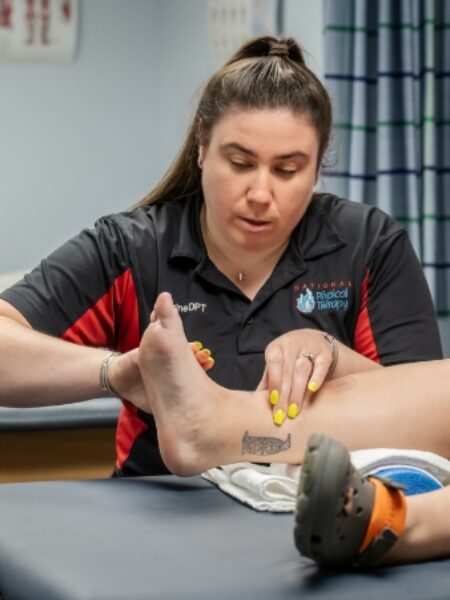
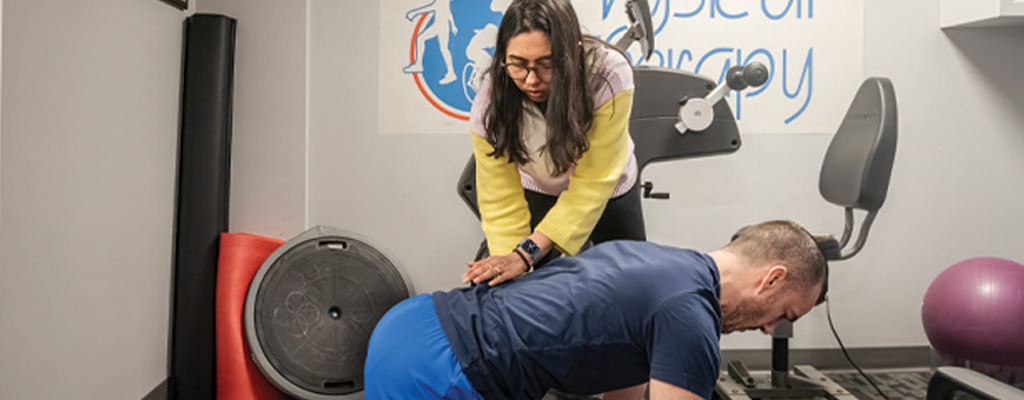
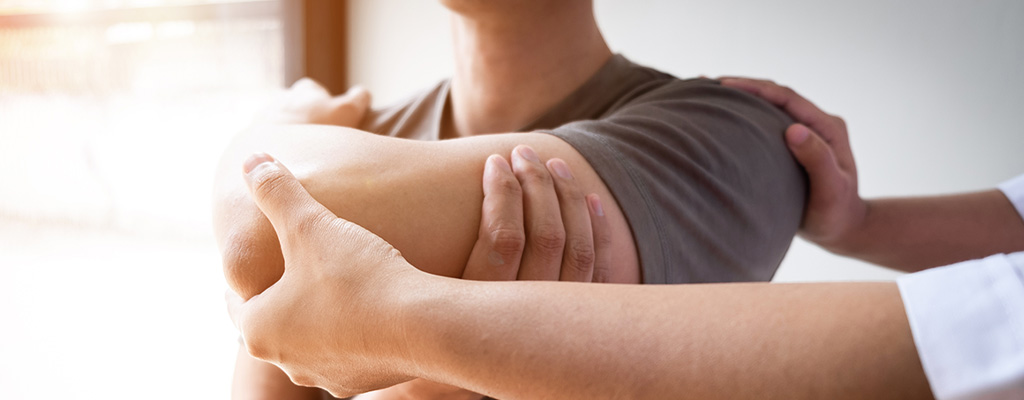
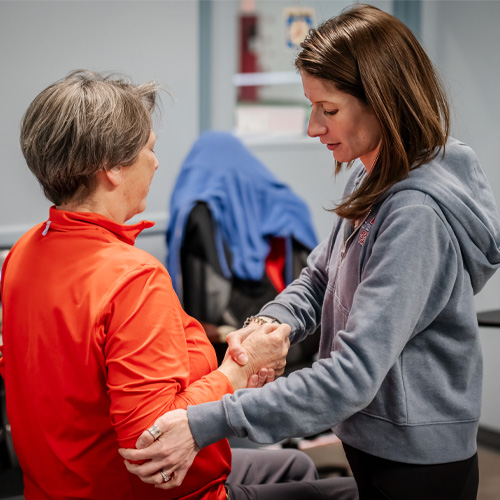
- Provide Pain Relief: We’ll use manual therapy techniques to help manage your pain and get the joint moving in a gentle way. For example, we might guide the joint through its current range of motion or manipulate the surrounding soft tissue.
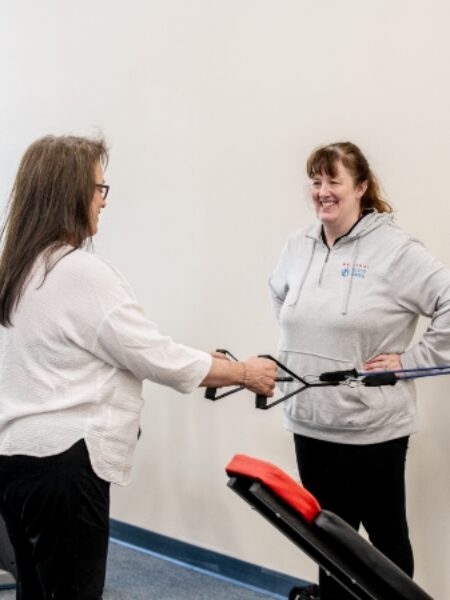
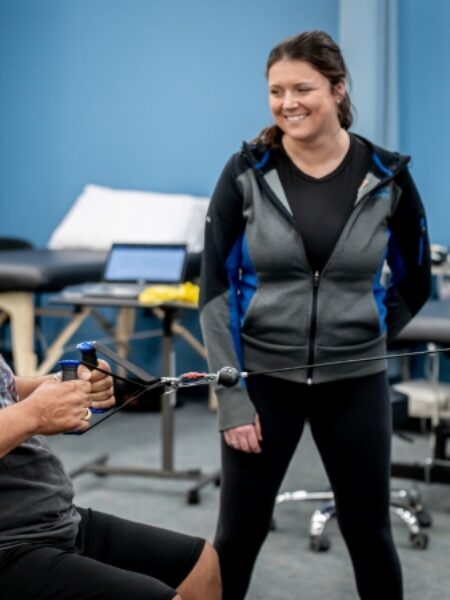
- Build Strength and Restore Mobility: We’ll develop a customized, progressive exercise program to rebuild lost strength and mobility in the affected joint. Building strength, in particular, can help support and protect the joint so you can move more easily.
- Develop An At-Home Exercise Program: You’ll supplement your sessions in our clinic with a personalized home workout program to ensure you keep moving! We’ll find something that suits your abilities and interests, such as a walking program or water aerobics.
- Provide Strategies for Activity Modifications: Finally, we can help you identify and avoid any specific activities that might put too much strain on your joints. If needed, we can also show you how to use mobility aids (such as canes or walkers).

Don’t Let Osteoarthritis Pain Hold You Back!
We know that living with osteoarthritis can be difficult, but the physical therapists at National Physical Therapy are here to help you manage your condition and live your life to the fullest. With customized treatment plans, targeted exercise programs, and acute pain management techniques, physical therapy can help you take control of osteoarthritis pain.
Ready to get started? Call us to schedule your initial consultation today!
Healthy Recipe
Pink Sunrise Strawberry Smoothie
Bright, fruity, and refreshing, this Pink Sunrise Strawberry Smoothie is the perfect way to start your day. Packed with flavor and feel-good ingredients, it’s a sweet sip of sunshine in every glass!
Ingredients
- 1 cup frozen strawberries
- 1/4 cup frozen raspberries
- 1/4 cup blueberries
- ½ – 1 small beet frozen
- 1 ripe banana
- 1/2 cup kefir
- 1/2 cup milk – regular, nut, coconut, hemp, etc.
- 2 tbsp honey (optional)
- 1 tbsp hemp seeds
- 1/2 cup ice
Directions
Place all ingredients into a high-speed blender. Run on the smoothie setting or on high for 1-2 minutes or until completely smooth. Serve and enjoy!
Exercise of the Month
MEDIAN NERVE GLIDE
Extend one arm out to the side with the palm facing up. Gently bend your wrist and fingers backward, feeling a stretch along the arm. Slowly bend the elbow and bring the hand toward your face, then extend again.

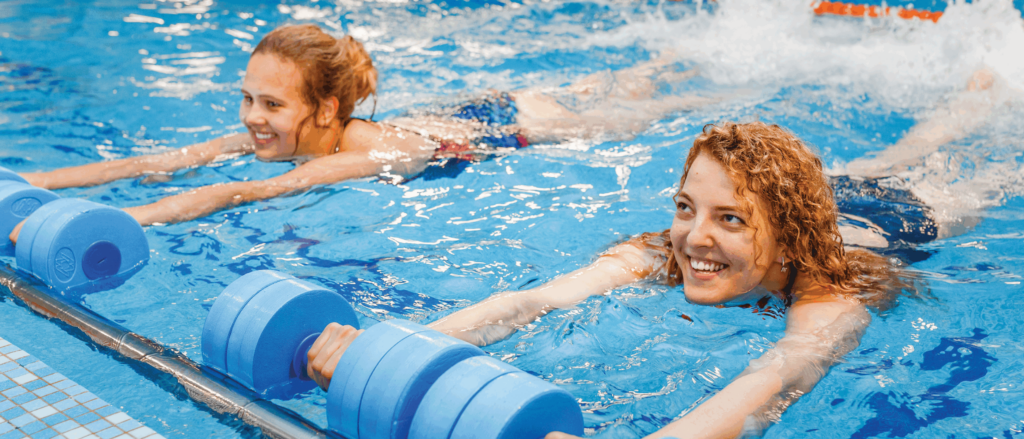
5 Pool Exercises For a Full-Body Workout
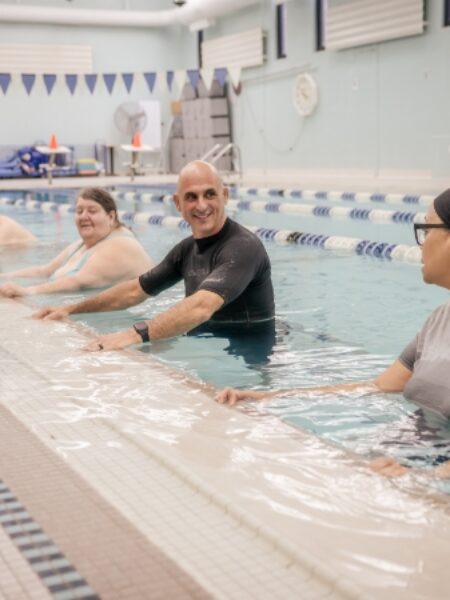
Exercising in water can provide a great full-body workout without some of the drawbacks of land-based exercises.
1. Walk in water. It targets your arms, core, and lower body. Keep your arms in the water and move them as you walk. Engage your core and stand tall.
2. Water arm lifts. Using foam dumbbells will help add more resistance. Stand in water up to your shoulders. Hold the dumbbells at your side, with your palms facing up. Draw your elbows in close to your torso as you lift your forearms to the height of the water. Rotate your wrists to turn your palms facedown. Lower your arms back to the starting position. Do 1-3 sets of 10-15 reps.
3. Lateral arm lifts. This exercise, which targets your upper body, is also best done with foam dumbbells. Stand in water up to your shoulders. Hold the dumbbells at your side. Raise your arms to the side until they’re level with the water and your shoulders. Lower your arms back down to your sides. Do 1-3 sets of 8-14 repetitions.
4. Back wall glide. This exercise helps to activate the muscles in your core and lower body. Hold onto the pool ledge, tuck your knees into your chest, and press your feet into the wall. Push off from the wall and float on your back as far as you can. Draw your knees into your chest, press your feet down to the bottom of the pool, and run back to the wall. Continue this exercise for 5-10 minutes.
5. Leg kicks. This exercise works the muscles in your core and legs. Use ankle weights to make it more challenging. Hold onto the pool ledge or hold a kickboard. Alternate flutter kicking, scissor kicking, breaststroke kicking, and dolphin kicking. Do each kick for 1-3 minutes.
Water workouts are an effective way to boost your cardio fitness while strengthening your major muscle groups, but as with any new exercise program, always speak to your physical therapist first. Contact National Physical Therapy to see if aquatic exercise is right for you!
June Word Scramble
cresunnse
teaaldcsns
miwsmngi
avoatnic
gdenidw
refiifsle
Answer Key
sunscreen
sandcastle
swimming
vacation
wedding
fireflies
Local Deal for You!
Special savings from our trusted community partners.

Our Patients Get Great Results
“If you are looking for excellent physical therapy, look no further! Marc is a very skilled clinician who really cares about his clients’ well being and health. So happy I found your Mansfield office!”
– Jill S.
Thank you for subscribing to National Physical Therapy
Refer a Friend

Our purpose at National Physical Therapy is to leave a greater impact on the community around us. In order to achieve our goal we want to change as many lives as possible as we become a beacon of positivity in our community.