How Strength Training Can Improve Your Health
Health is a relative term. It means that your body operates at a high level in all the different systems from circulation, breathing, digestion, and more. Anything you can do to help your body achieve an ideal state is a step towards a healthier you.
We all want to stay healthy, strong, and active, but we often think getting older means we need to take it easy. Fortunately, it is more and more common to realize that an inactive, sedentary lifestyle leads to poor health and a loss of function.
Do you notice it’s harder to get out of your chair lately? Do you struggle to carry groceries that were once easy for you to do? Do you find yourself wanting to take more breaks throughout the day because you feel tired all the time?
You may be experiencing the loss of muscle that is common with getting older. Fortunately, at National Physical Therapy, our therapists are up to date on the strategies that can help you get stronger so you can get back to doing what you love doing!
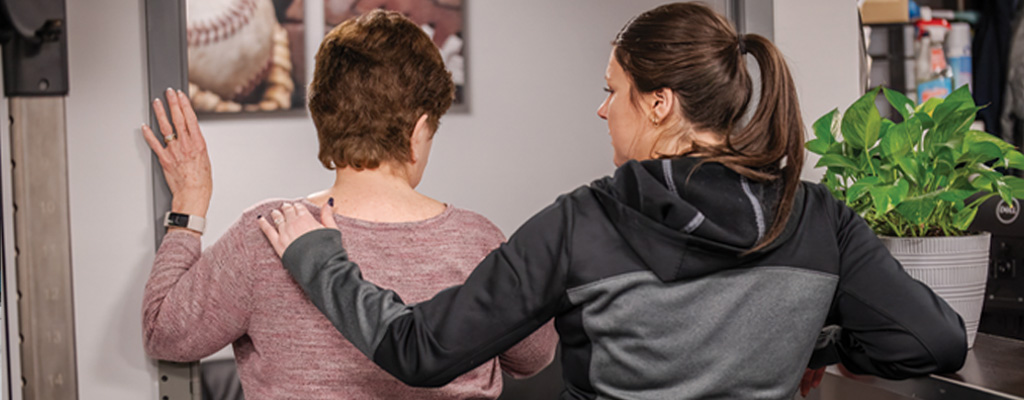
Our highly trained physical therapists can create a personalized strength training plan for your particular needs. We have the knowledge and expertise to guide you toward a pain-free, stronger, and healthier lifestyle!
Contact National Physical Therapy today to get started!
Why Is Strength Training So Important?
Inactive adults experience a loss of muscle mass and strength, resulting in a struggle to stay active. Sometimes it feels difficult to keep active due to pain, injuries, or poor diets. Strength training exercise not only eases your pain, it simultaneously helps with your overall physical and mental health.
There are approximately 642 skeletal muscles in the body. Your muscles not only help you move, but they support your overall health, including your circulatory, breathing, and nervous systems. A stronger you means a healthier you!
Relieving joint or muscle pain and guiding you on proper strength training exercises are integral parts of our specialized physical therapy treatments. Strength training helps build muscle mass, and it is one of the essential steps in a rehabilitation program.
Whether you are recovering from an injury or an underlying condition causing you pain, strength training will help you get back to your optimum physical performance.
The following aspects of health are known to benefit from strength training:
- Improved strength
- Reduced fall risk (i.e., lower mortality, fewer serious injuries, quicker recovery)
- Improved resting metabolic rate and reduced-fat weight
- Enhanced physical performance, movement control, walking speed, functional independence
- Improved cognitive abilities and self-esteem.
- Prevention and management of type 2 diabetes (i.e., decreased visceral fat and improved insulin sensitivity)
- Enhanced cardiovascular health (i.e., reduced resting blood pressure, cholesterol and triglycerides)
- Improved bone mineral density (i.e., prevention and reduction of osteoporosis)
- Reduces low back pain
- Eases discomfort associated with arthritis
- Relieves discomfort associated with fibromyalgia
- Reduced risk of cancer-specific mortality and cancer recurrence
How Physical Therapy Can Help You Get Strong
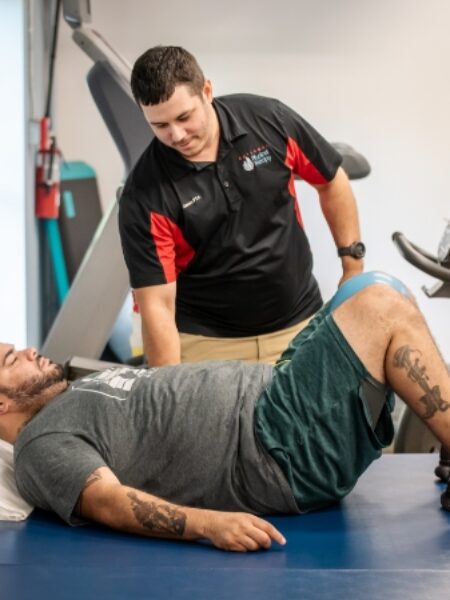
At National Physical Therapy, our strength training programs will get you back to living a happy and healthy lifestyle. Our physical therapists will design a treatment plan with the best exercises for an effective and speedy recovery.
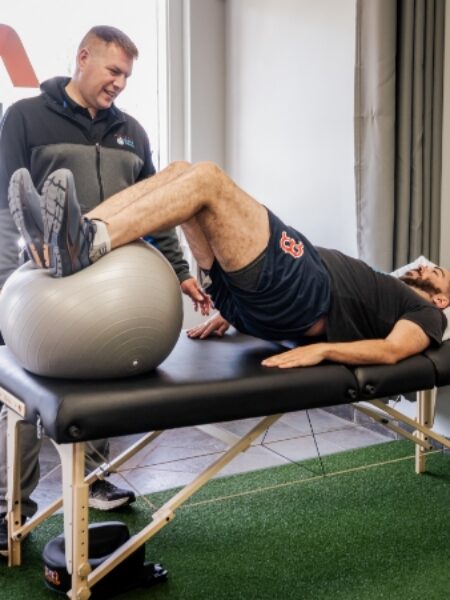
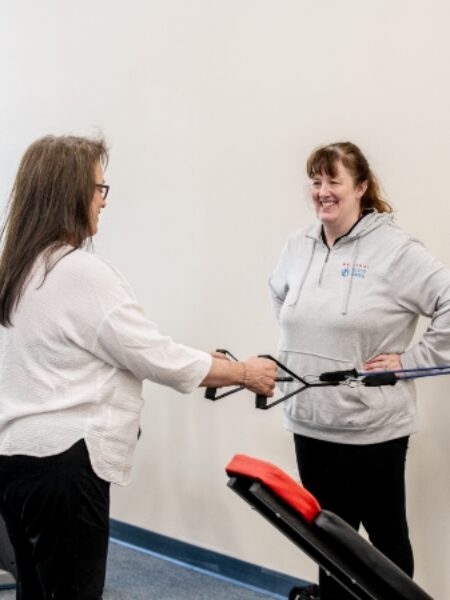
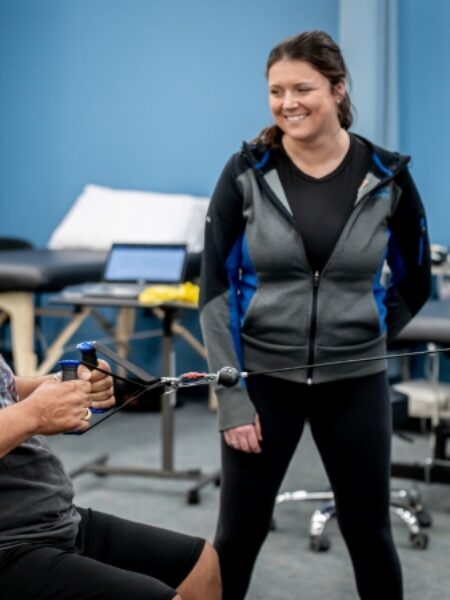
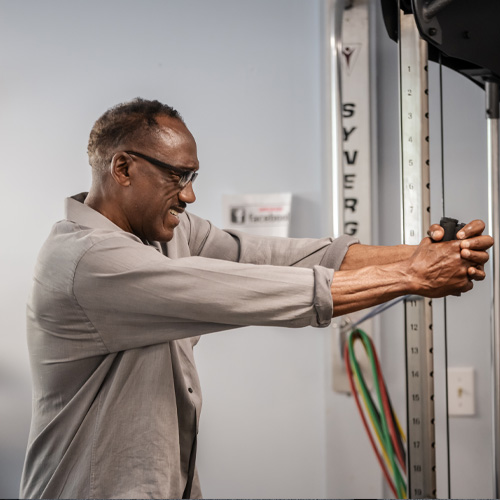
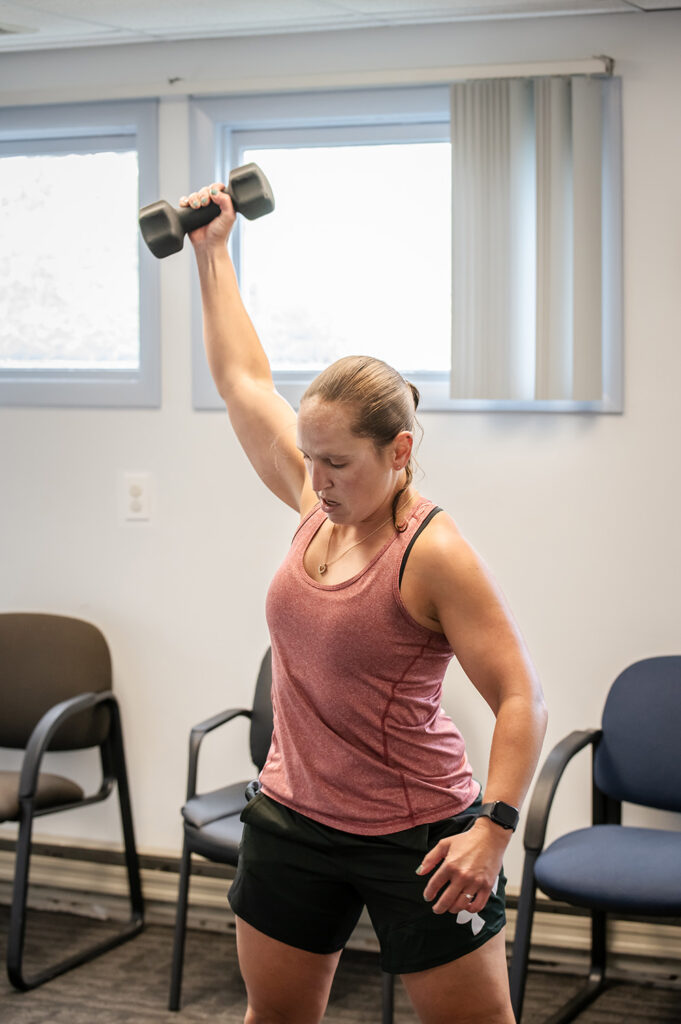
These exercises will depend upon which part(s) of your body needs strengthening. This may include bodyweight exercises (such as squats, push-ups, or planks) or exercises using additional tools (such as barbells, resistance bands, exercise balls, or hand weights).
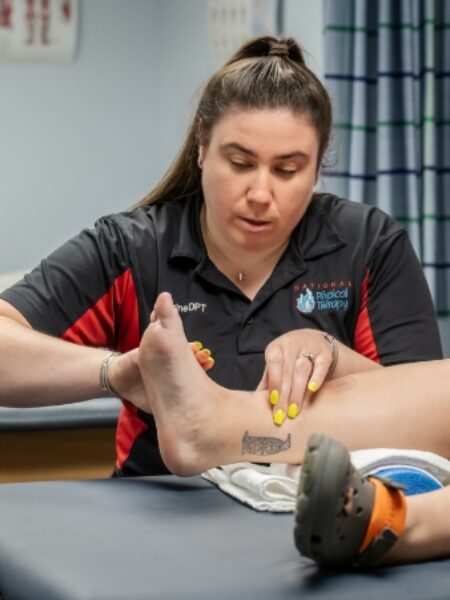
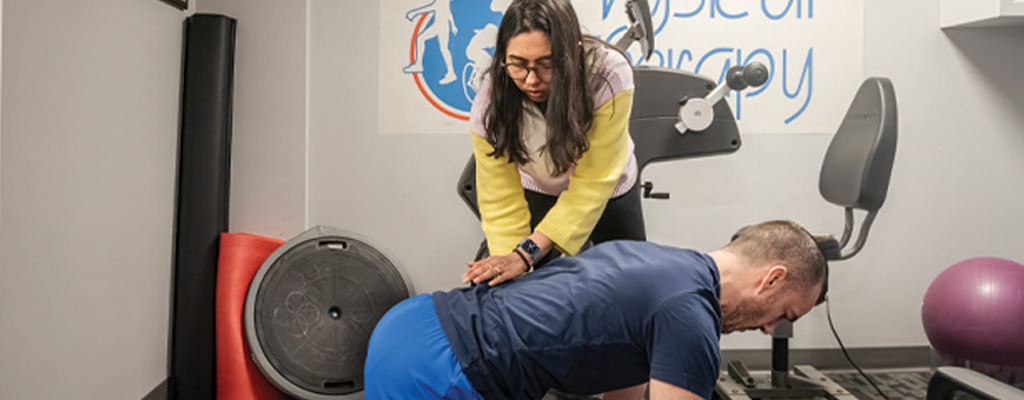
Rehabilitation should start immediately following most injuries to ensure the fastest recovery possible. One of our physical therapists will conduct a thorough evaluation to identify any weaknesses or limitations that may affect your recovery, stability, or strength.
We will use this information to develop a comprehensive program that includes targeted mobility work, strengthening, and any appropriate pain relief technique for the individual.
Every good therapy program will consist of injury prevention strategies to ensure you stay doing what you love!
Contact Us Today To Set Up An Appointment
At National Physical Therapy, our team of physical therapists has proven success with our strength training programs. Strength training can aid you in your journey to become a healthier and more active version of yourself! Call today to schedule an appointment with one of our specialists.

Seasonal Recipe
Slow Cooker Irish Stew
Ingredients
- 1 tablespoon olive oil, or to taste
- 2 pounds beef chuck roast
- 3 russet potatoes, diced
- 1 pound baby carrots
- 1 large onion, chopped
- 4 cloves garlic, minced
- 1 (16 ounce) bottle stout beer
- 1 (6 ounce) can tomato paste
- 1 cup beef broth
- 1 tablespoon garlic powder
- 1 tablespoon onion powder
- 1 tablespoon smoked paprika
- salt and ground black pepper
Directions
Heat olive oil in a skillet over medium heat. Add beef; cook until evenly browned, 3 to 5 minutes per side. Place potatoes, carrots, onion, and garlic in a slow cooker; top with browned beef. Pour 1/4 cup beer into the same skillet and bring to a boil while scraping the browned bits of beef off of the bottom of the skillet with a wooden spoon. Stir in tomato paste; cook until thickened, about 5 minutes. Pour beer mixture into slow cooker. Pour beef broth, remaining beer, garlic powder, onion powder, paprika, salt, and pepper into slow cooker. Cook on Low for 8 hours.

How to Grocery Shop for Healthy Options
When it comes to grocery shopping, there are many options. If you find your weekly trip to the grocery store overwhelming, you’ve come to the right place.
The best way to start your grocery shopping is by thinking about your preferences and needs. For example, do you want to lose weight? How many people are you feeding? Once you’ve determined these factors, make a list of everything you think you may need.
Keep in mind that a diet high in protein and low in carbohydrates has been proven to be the most effective for weight loss. Protein is a building block of muscle, and it stimulates the hormone that helps you feel full. Protein also helps you maintain muscle mass during weight loss, which can help you maintain your metabolism.
The most important thing to remember is that you should be eating a balanced diet. This means that you should avoid overeating any one type of food.
For example, if you are overeating sugar or processed food, it might be time to change your diet. When shopping in the aisles, try to avoid ultra-processed foods, foods with high sugar content, or excessive amounts of red meat.
Here is an example of what a healthy grocery list may look like:
- Fruits: apples, blueberries, clementines, grapefruits, and avocados
- Vegetables: broccoli, asparagus, onions, spinach, peppers, zucchini, sweet potatoes, baby red potatoes, and butternut squash
- Beans and grains: chickpeas, brown rice, black beans, and quinoa
- Proteins: eggs, salmon, and skin-on chicken breast
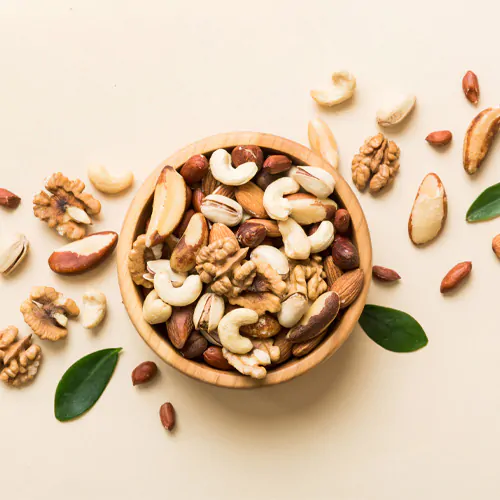
- Nuts and seeds: roasted almonds, pumpkin seeds, and natural peanut butter
- Dairy and nondairy substitutes: oat milk, coconut milk, feta cheese, and full fat Greek yogurt


Our Patients Get Great Results
“Excellent staff, great location for transportation to and from the appointments, great treatment, and they work around your schedule. I would recommend them for rehabilitation to anyone who asked me where to go. I would say National Physical Therapy if you want to get back to your daily routine. They will get you where you want to be with hard work and dedication. It can be done at National Physical Therapy. It’s number 1 in my book. They help me every single time get back on my feet and back to daily life with more strength and ability to do so by the weekly work out they created for me, so I am thankful and grateful to be a patient there”
– Dawn C.
Thank you for subscribing to National Physical Therapy
Refer a Friend

Our purpose at National Physical Therapy is to leave a greater impact on the community around us. In order to achieve our goal we want to change as many lives as possible as we become a beacon of positivity in our community.

Sarcopenia: A Quick Dive
There’s no denying that aging causes a host of physical and mental changes. One of the more significant of these is a decrease in muscle mass. For most people, it begins in their 30s and 40s, then jumps into high gear in their 60s.
Age-related muscle mass loss happens to everyone to some extent. However, some people suffer loss of muscle mass, strength, and endurance to such a degree that it severely compromises their ability to be physically active. This condition is known as sarcopenia.
Symptoms, Causes, and Effects
Sarcopenia primarily stems from the effects of aging and, as such, primarily affects people 60 years or older. Certain risk factors can make it more likely that you develop sarcopenia, including the following:
- A sedentary lifestyle
- Chronic diseases, including diabetes and kidney disease
- Inadequate protein
- A decline in certain bodily functions related to building muscle
People with sarcopenia lose their muscle mass more quickly than those who don’t, which leads to muscular weakness and overall frailty. This, in turn, can negatively affect your quality of life. You may…
- Lose stamina more quickly
- Have difficulty with mobility, including walking or climbing stairs
- Have poor balance and be more likely to fall
- Find daily activities more difficult
How National Physical Therapy Helps with Sarcopenia
The good news is that you can manage sarcopenia with a few simple lifestyle changes, namely regular physical activity and improved nutrition. These factors can also help prevent sarcopenia or delay its progression. However, remember that some muscle mass loss is just part of getting older.
What’s not an inevitable part of aging, however, is losing mobility and independence. Our physical therapists can help keep you active well into old age!