The Connection Between Hip and Knee Pain
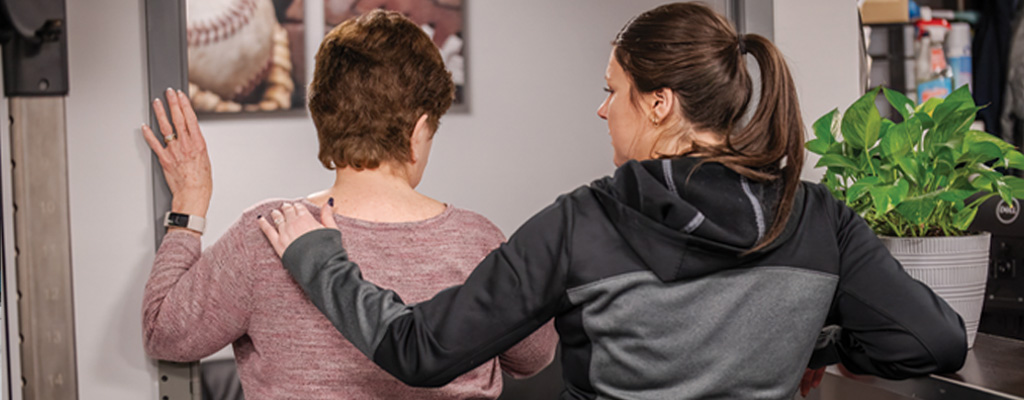
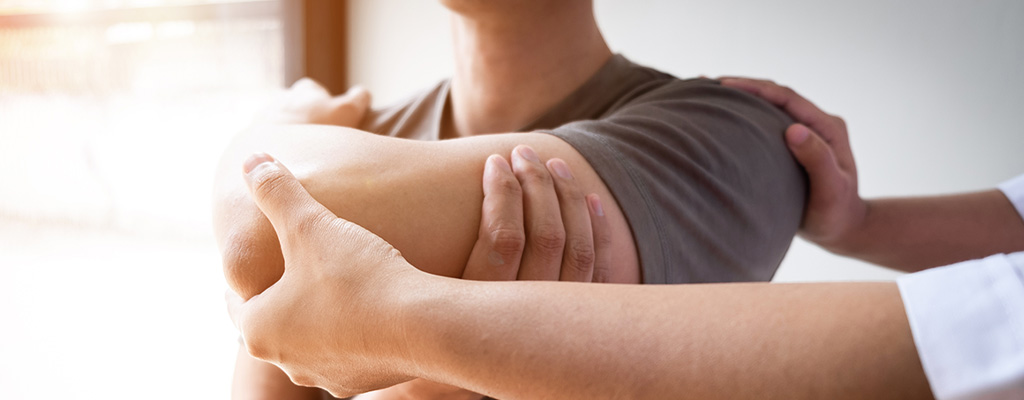
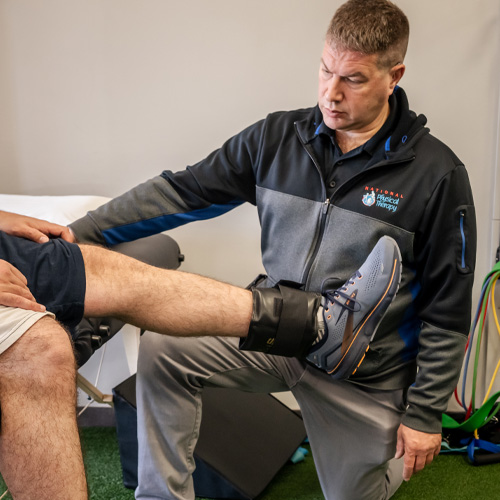
Did you know that for a lot of people, their knee pain is not actually due to a problem with the knee, but one with the hip? At National Physical Therapy, we frequently observe that a problem originating in the hip can be first felt as knee pain and vice versa.
You might wonder how this is possible. The answer lies in what’s known as the kinetic chain, where the hip and knee joints work together. The interconnection means that an imbalance or dysfunction in one joint can lead to compensation and pain in the other. The good news is our therapists can help you figure out the source of your pain and, more importantly, guide you back to health.
To move towards a healthier, active life, we recommend you consult with one of our physical therapists as soon as possible!
Your Guide to Recognizing the Signs and Symptoms of Hip and Knee Pain
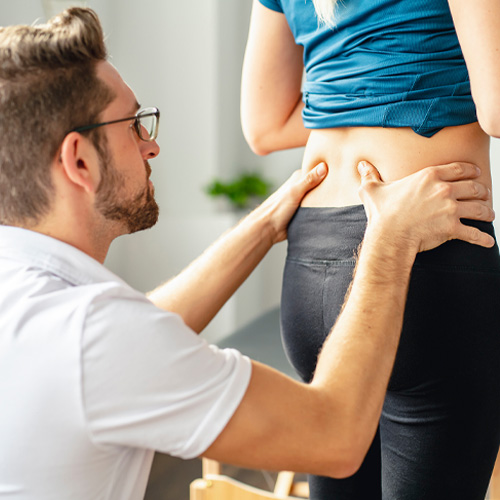
At National Physical Therapy, we believe in a holistic approach to healing. As musculoskeletal experts, we are trained to pinpoint the root cause of your condition, differentiate between hip and knee pain, and develop a plan that addresses the whole person, not just the symptom.
The Telltale Signs of Hip Pain
- Localized Discomfort and Stiffness: Hip pain generally starts as a localized discomfort in the groin area, often accompanied by stiffness restricting the range of motion. As the severity worsens, this pain can sometimes extend to the thigh and even the knee.
- Morning Stiffness: One of the most commonly reported symptoms is morning stiffness, which typically eases as the day progresses.
- Difficulty in Performing Daily Activities: Individuals with hip pain often find it challenging to bend over to tie shoes or pick up objects from the floor. This pain can intensify during movements like getting up from a seated position or walking uphill.
Classic Indicators of Knee Pain
- Localized Pain and Swelling: A primary indicator of knee issues is localized pain, often accompanied by swelling. This can be especially noticeable after prolonged periods of activity.
- Stiffness and Reduced Range of Motion: Another hallmark of knee pain is stiffness, which often restricts the knee’s range of motion.
- Popping or Crunching Noises: Experiencing popping or crunching noises during knee movement is a sign that shouldn’t be ignored, as these sounds often signify underlying knee issues.
- Difficulty in Bearing Weight: A large number of individuals with knee pain report difficulty bearing weight on the affected knee. This is often described as a feeling of weakness or instability, making activities such as climbing stairs or even simple walking difficult.
While interconnected, the hip and knee are distinct structures with unique roles in our body’s movement and different responsibilities. Understanding these differences is vital in diagnosing and treating pain effectively. This is where the expertise of our physical therapists can help!
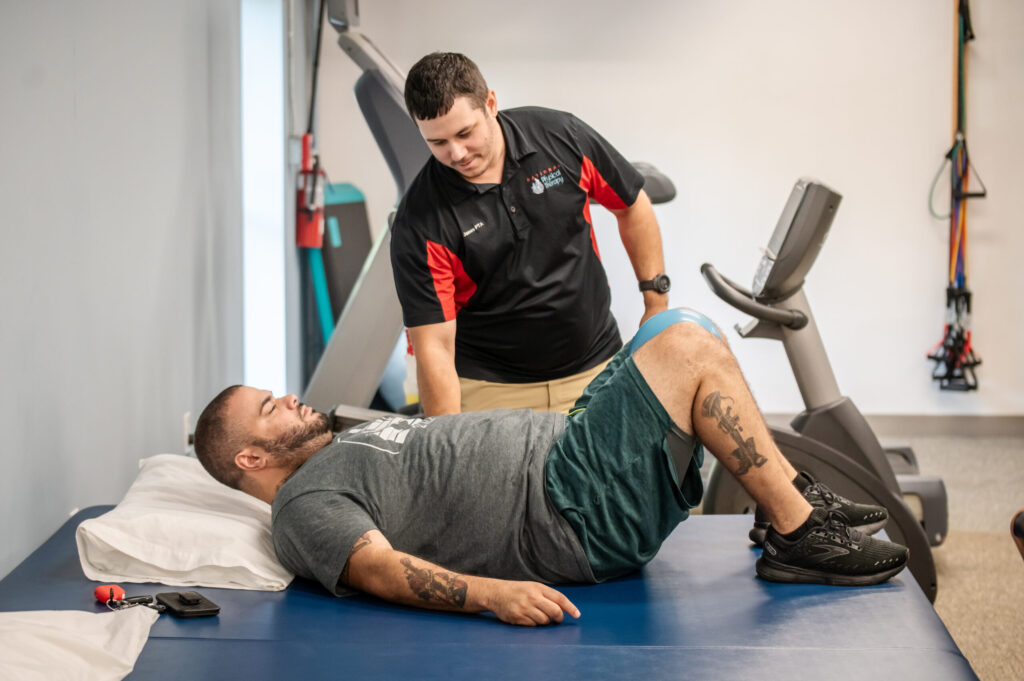
Navigating the Path to Recovery with National Physical Therapy
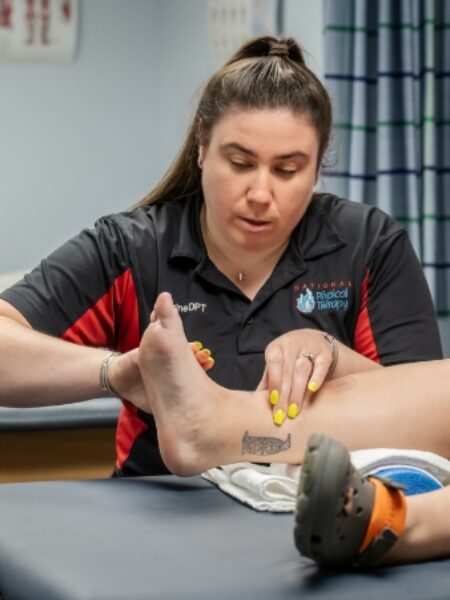
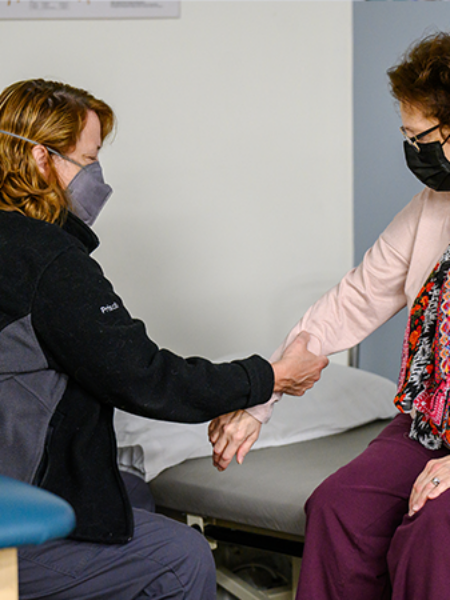
At National Physical Therapy, our physical therapists will conduct a comprehensive evaluation, and distinguish whether you’re dealing with an issue in your hip, knee, or both.
After completing the evaluation, we’ll design a program focusing on the actionable steps you can take to ensure long-term relief and prevention of future injuries, including the following:
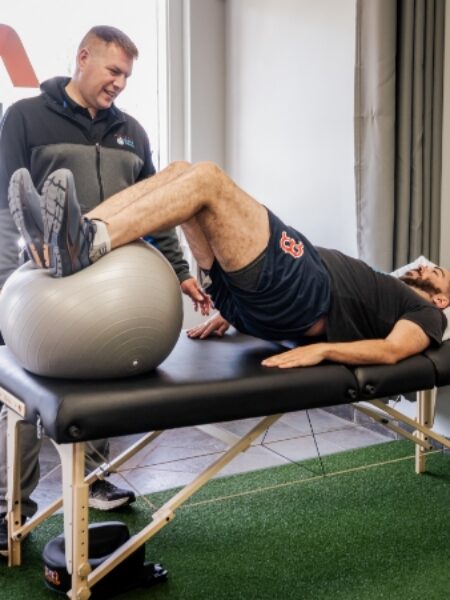
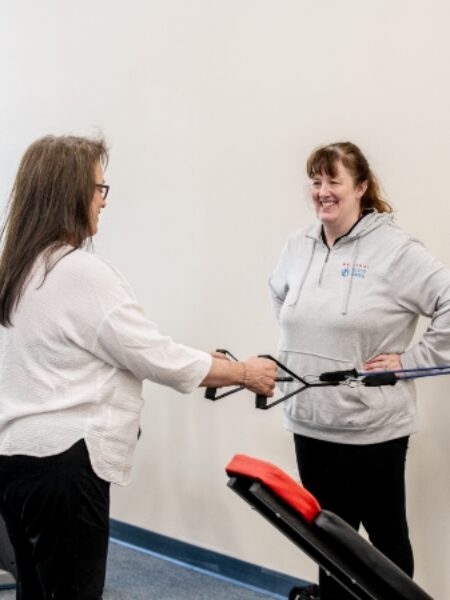
- Tailored Therapeutic Exercises: Our therapists will provide you with stretching and strengthening exercises to help restore your mobility and function. For example, eccentric training focuses on elongating a muscle under tension, proving particularly effective in strengthening muscles and improving mobility.
- Neuromuscular Re-education: This involves using exercises and manual techniques to restore normal muscle function and movement patterns. These techniques are especially effective in reducing pain and enhancing function, especially in individuals with hip and knee pain.
Our therapists go beyond the surface, digging deep into your symptoms to identify the underlying issues and determine the true origin of your pain, whether the hip, the knee, or both. Our goal is to build a program that helps you get back to living your best life!
Follow These Simple Steps to a Pain-Free Life
Are you ready to embrace a lifestyle that promises better mobility and less pain? At National Physical Therapy, we are here to guide you every step of the way, fostering a future where you feel better, move better, and live better!
Call today to schedule an appointment!

Seasonal Recipe
Spring Vegetable Tart
Ingredients
- 2 sheets puff pastry
- 1 egg, lightly beaten
- 5 oz vegetable dip
- 6 baby zucchini, halved lengthwise
- 3-4 yellow squash, thinly sliced with a mandoline
- 1 bunch asparagus, thinly sliced lengthwise with a mandoline
- 1 1/2 c goat cheese
- Extra virgin olive oil
- Balsamic vinegar glaze
- Mixed herbs, to serve
Directions
Preheat oven to 400°F. Line a large baking tray with baking paper. To make tart case, place pastry sheets side by side on the lined tray. Brush egg wash along the long edge of one sheet, then overlap with the other by 1″ to create a large single sheet. Fold and pinch all four sides to make a 1″ border, pushing down to seal. Brush border with egg wash. Using a fork, prick the base of the tart all over. Place in oven and bake for 20 minutes, until golden. Remove from oven and spread base of pastry with dip. Meanwhile, place vegetables in a large bowl. Pour boiling water over vegetables, steep for 1 min to blanch, then drain and pat dry with paper towel. Scatter vegetables over tart and crumble goat cheese on top. Drizzle with oil and vinegar glaze. Sprinkle with mixed herbs.

Spring Is Running Season! Are You In Your Best Shape?
Are you looking forward to starting running again after a long winter? At National Physical Therapy, our therapists understand running injuries, and we will make sure you run pain-free this spring!
Runners are often misled into believing unproven solutions to avoiding pain and injury. Not many people know that the number-one risk factor for runners to sustain an injury is having had an injury in the last 12 months.
The other most common risk factors are:
- Running experience of 0–2 years
- Restarting running after extended rest
- Overtraining (i.e., more than 40 miles per week)
To ensure you can get back to running or increasing your mileage without pain or injury, start with an injury evaluation and a biomechanical assessment to identify any factors that could contribute to pain or injury.
Our therapists will take a thorough history to understand your training schedule, previous injuries, and overall health status. We use this information to create an individualized program to alleviate pain and get you back to running without limits.
Request an appointment at National Physical Therapy today!
Our Patients Get Great Results
“They were very thoughtful, friendly, and easy to talk to. Pushed you to go at your own pace. But enough to push you to reach a goal.”
– Cal B.
Thank you for subscribing to National Physical Therapy
Refer a Friend

Our purpose at National Physical Therapy is to leave a greater impact on the community around us. In order to achieve our goal we want to change as many lives as possible as we become a beacon of positivity in our community.
Physical Therapy Solutions for Hip and Knee Pain
Are you having difficulty getting up and down from your chair or going up and down stairs? Are you avoiding activities because of aches or pain in your hips and knees? You may be experiencing arthritis due to injuries and/or age.
Your hips and knees are your largest joints, supporting your body’s weight. They work in close coordination, giving us the mobility we need to enjoy an active lifestyle. But pain can flare up and make our basic activities of daily living a challenge.
The good news is that at National Physical Therapy, our physical therapists can help you find solutions to your pain and help you get back to living the life you enjoy!
Call our clinic today to learn how we can help you to keep living the kind of life you want with less pain and movement restrictions.
Common Causes Of Hip, Knee, And Leg Pain
Hip, knee and leg pain are surprisingly common. Thus, their source can come from a variety of things. If you’re experiencing pain in any part of your leg, pinpointing the exact spot can help you determine the cause.
Joint injury and being overweight during early adulthood are signs of a trajectory towards symptomatic osteoarthritis later in life. Repetitive stress and overuse type injuries are more common with tendon related pains. Cartilage and/or ligament injuries are more commonly associated with slips, falls and sports injuries.
While many causes of pain exist, the most common are:
- Arthritis
- Sprains and strains
- Tendonitis
- Cartilage injuries
In rare or more severe cases, the causes can be:
- Fractures
- Dislocations
- Pinched nerves
While some causes are more serious than others, a physical therapist can identify what is causing your pain and help clarify what your next steps should be.
What Do My Symptoms Mean?
Aching or stiffness around the groin is likely coming from the hip joint. Although some think the outer aspect of their pelvis is the “hip,” they are really referring to muscles and not the joint itself. Clarifying the location of your pain will help your physical therapist figure out the source of your pain and the appropriate plan to resolve it.
The inner aspect of the knee is commonly thought to be where most people experience early joint pain or cartilage injury. Pain along the outer aspect of the knee is typically due to tendon related injury or inflammation.
A decreased range of motion and difficulty bearing weight can also be signs of deeper problems which may indicate a more serious condition that warrants seeking help sooner than later. Ignoring your pain, or waiting too long to be seen can make the problem worse and eliminate simple solutions.
Often it’s inactivity and avoiding movement that can contribute to immobility and pain. We know that our joints need movement for blood flow and nutrition to stay healthy. While some hip, knee and leg pains go away, those lasting longer than several months may be hinting at a deeper issue.
How Physical Therapy Helps
Education, exercise and weight loss are cornerstones of a successful outcome. Your physical therapist will assess your particular condition to identify the contributing factors and address all of them.
Physical therapists are skilled at hands-on intervention and exercise selection for the most comprehensive and appropriate intervention to help you resolve your pain and/or restore your function.
In many cases, physical therapy can help patients increase mobility, strength and function. Your therapist will design a program to restore lost motion, build your strength and teach you strategies for reducing pain and increasing your activity level.
Your therapist can help you reclaim a healthy lifestyle. From start to finish, we’re dedicated to your ongoing well-being. On every level, physical therapy serves to enhance the patient’s quality of life.
Contact National Physical Therapy today, and tell us about your symptoms. We offer the results you are looking for!